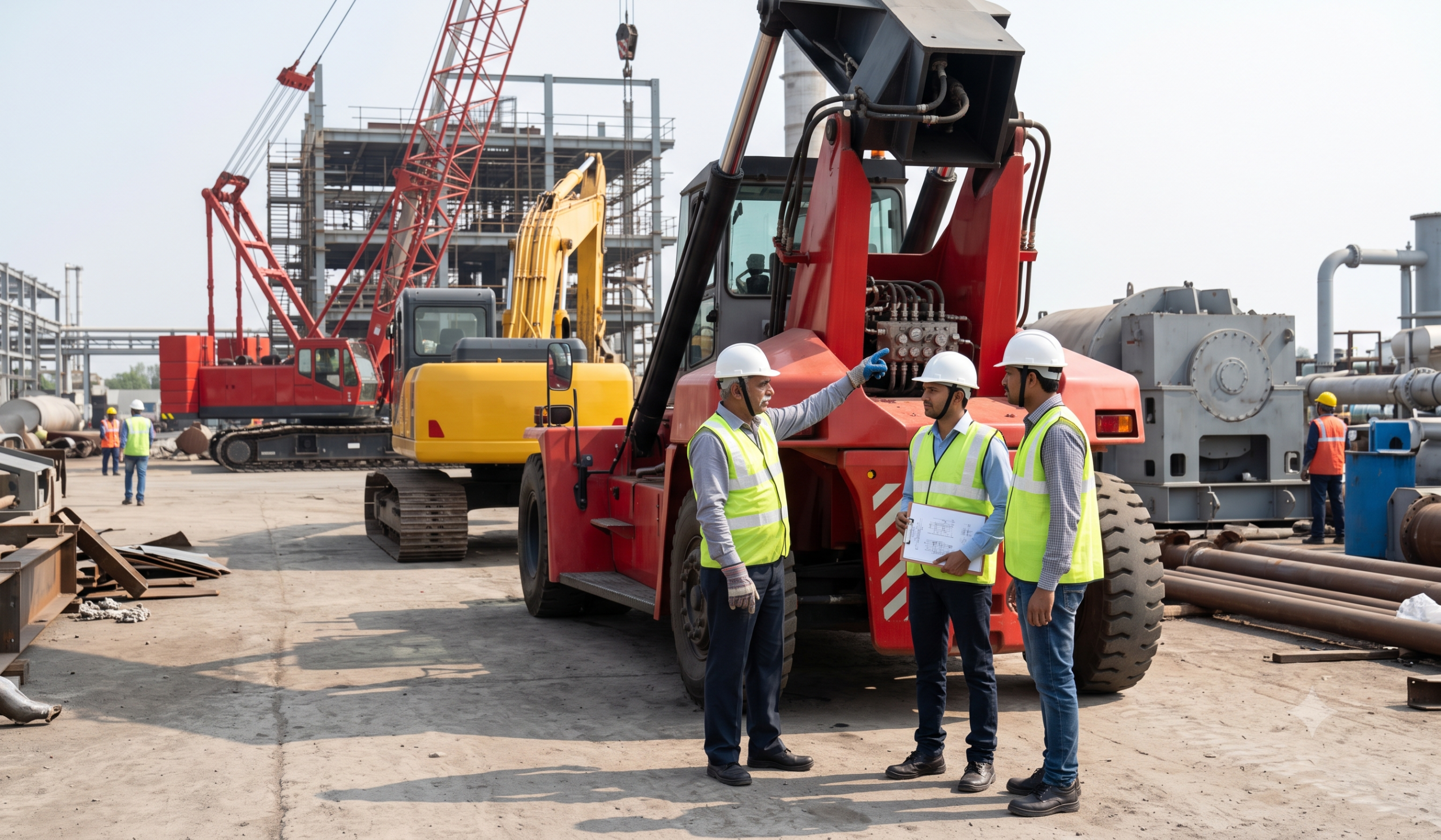
Choosing the wrong equipment supplier can quietly derail an entire industrial project. Poor quality machinery often leads to sudden breakdowns, extended project delays, and unexpected maintenance costs. Worse, a lack of reliable technical support can leave your operations stranded just when production needs to scale. Industrial buyers simply cannot afford these risks.
This guide explores 10 practical things businesses must verify before finalizing their procurement decisions. Whether you are upgrading a manufacturing plant or executing a large EPC project, partnering with the right industrial equipment suppliers in India in 2026 is critical. By evaluating product quality, after-sales service, and total cost of ownership, procurement managers can protect their project timelines and maximize operational efficiency.
Lorem ipsum dolor sit amet, consectetur adipiscing elit. Ut elit tellus, luctus nec ullamcorper mattis, pulvinar dapibus leo.
What Do Industrial Equipment Suppliers in India Provide?
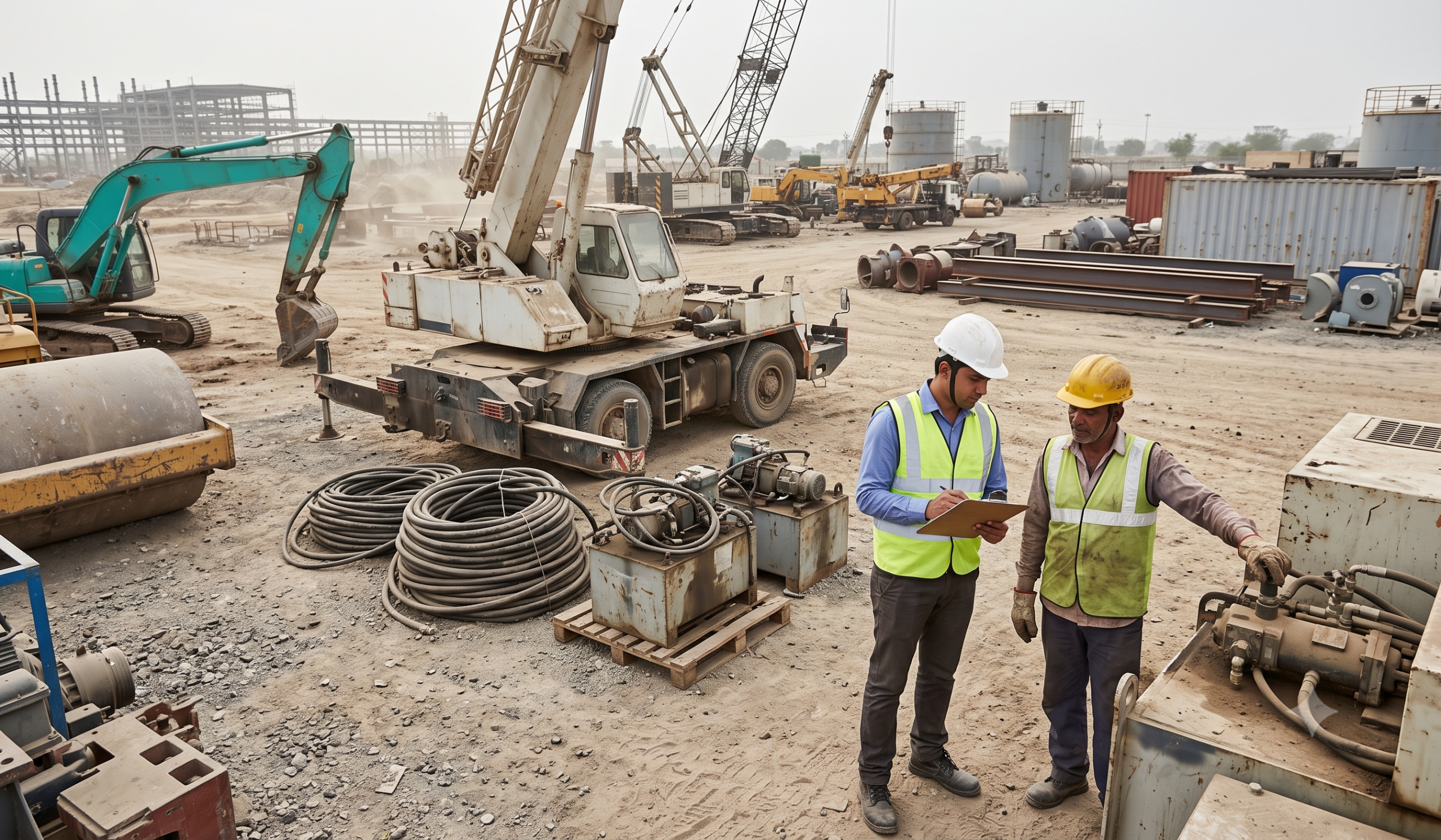
Industrial equipment suppliers typically provide the core machinery and tools required to keep heavy industries operational. They deliver a range of products, including:
- Industrial machinery
- Heavy equipment
- Material handling equipment
- Steel plant equipment
- Construction equipment
- Mechanical equipment
Beyond simply selling hardware, professional suppliers often provide equipment installation, operational training, and long-term maintenance support. The exact equipment required depends entirely on your industry, operational capacity, and specific project requirements.
How to Choose the Right Industrial Equipment Supplier in India?
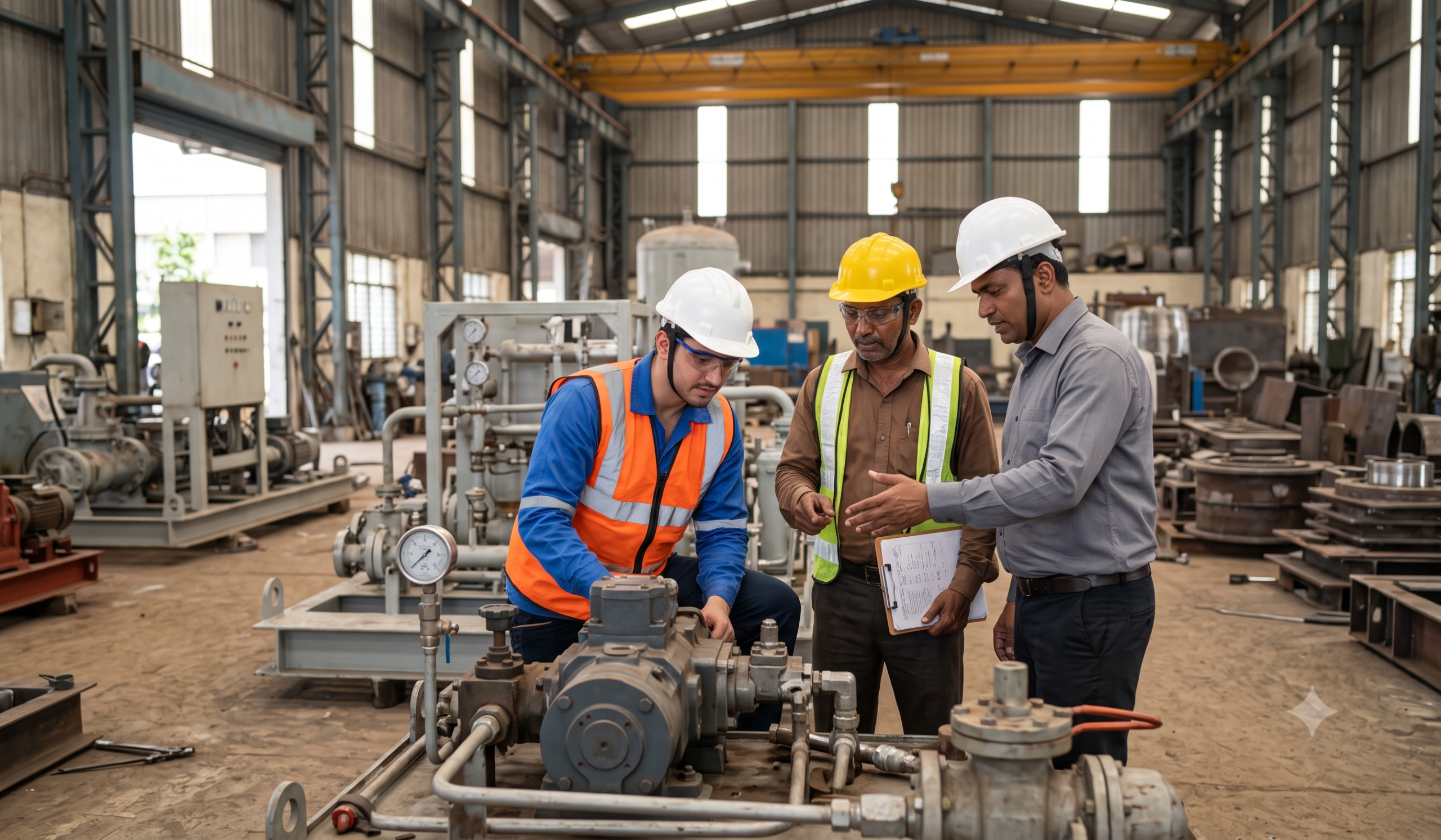
Selecting a vendor involves more than just comparing quotes. A reliable supplier acts as an operational partner. Focus on these practical selection criteria:
- Industry experience: Do they understand the specific demands of your sector?
- Product range: Can they supply the exact technical specifications you need?
- Technical expertise: Do they understand load capacities and operational limits?
- Equipment quality: Are the machines built to withstand harsh industrial environments?
- Delivery capability: Can they meet your tight project deadlines?
- Pricing transparency: Are there hidden costs for freight or commissioning?
- Installation and After-sales service: Will they support you when breakdowns occur?
What Types of Industrial Equipment Should You Consider?
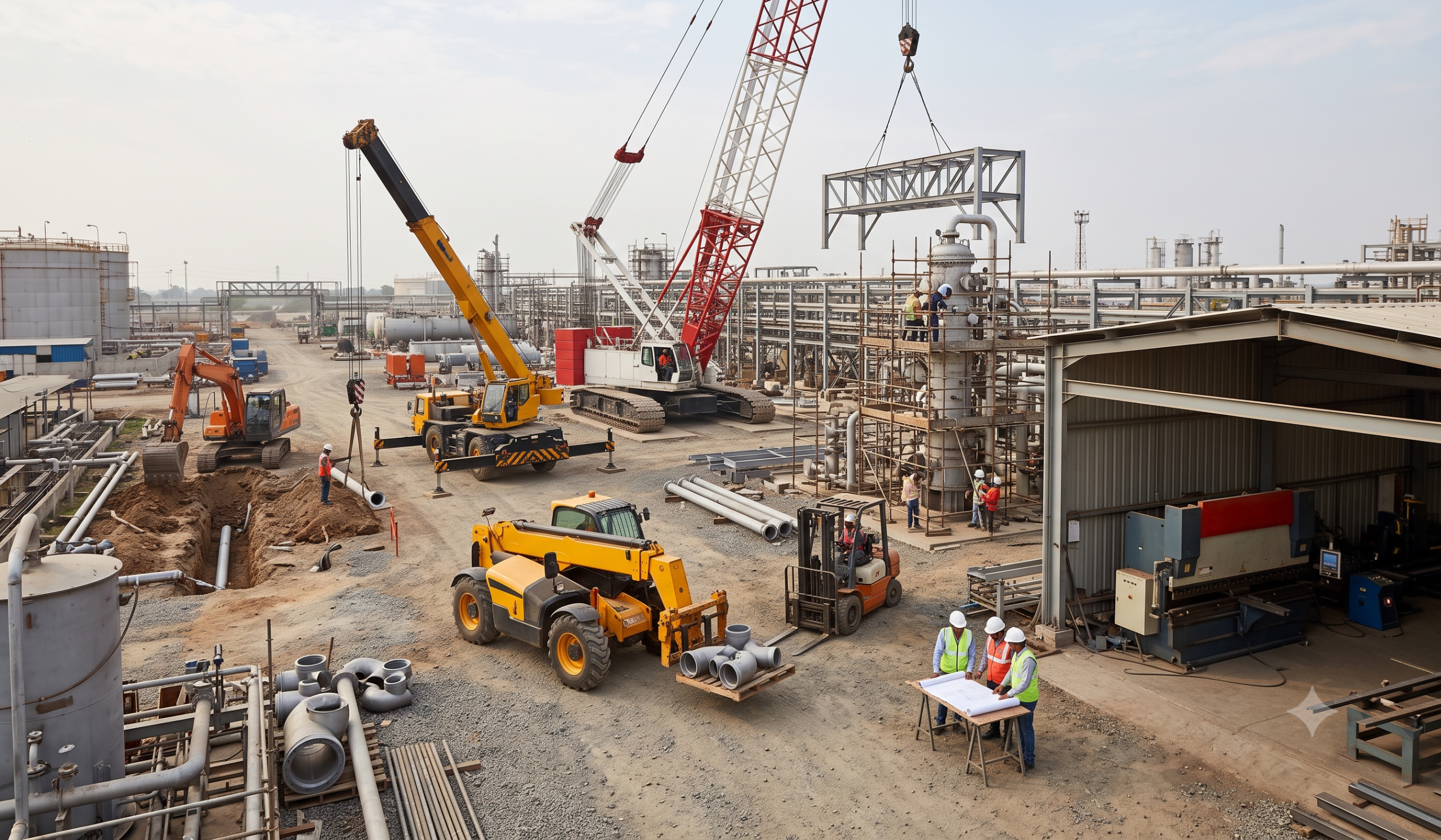
Businesses should select equipment based on their actual application, rather than simply choosing the lowest-priced option. A mismatch in machinery specifications can severely bottleneck production. Consider these categories based on your operational needs:
- Heavy industrial equipment: Designed for large-scale manufacturing and processing plants.
- Material handling equipment: Essential for warehouses and logistics to move heavy goods efficiently.
- Steel plant equipment: High-heat and heavy-load tolerant machinery built for metal fabrication.
- Construction equipment: Earthmovers, concrete mixers, and lifting gear required for infrastructure projects.
- Mechanical equipment: Compressors, pumps, and generators used to power various industrial machinery setups.
How Do You Check Equipment Quality and Reliability?
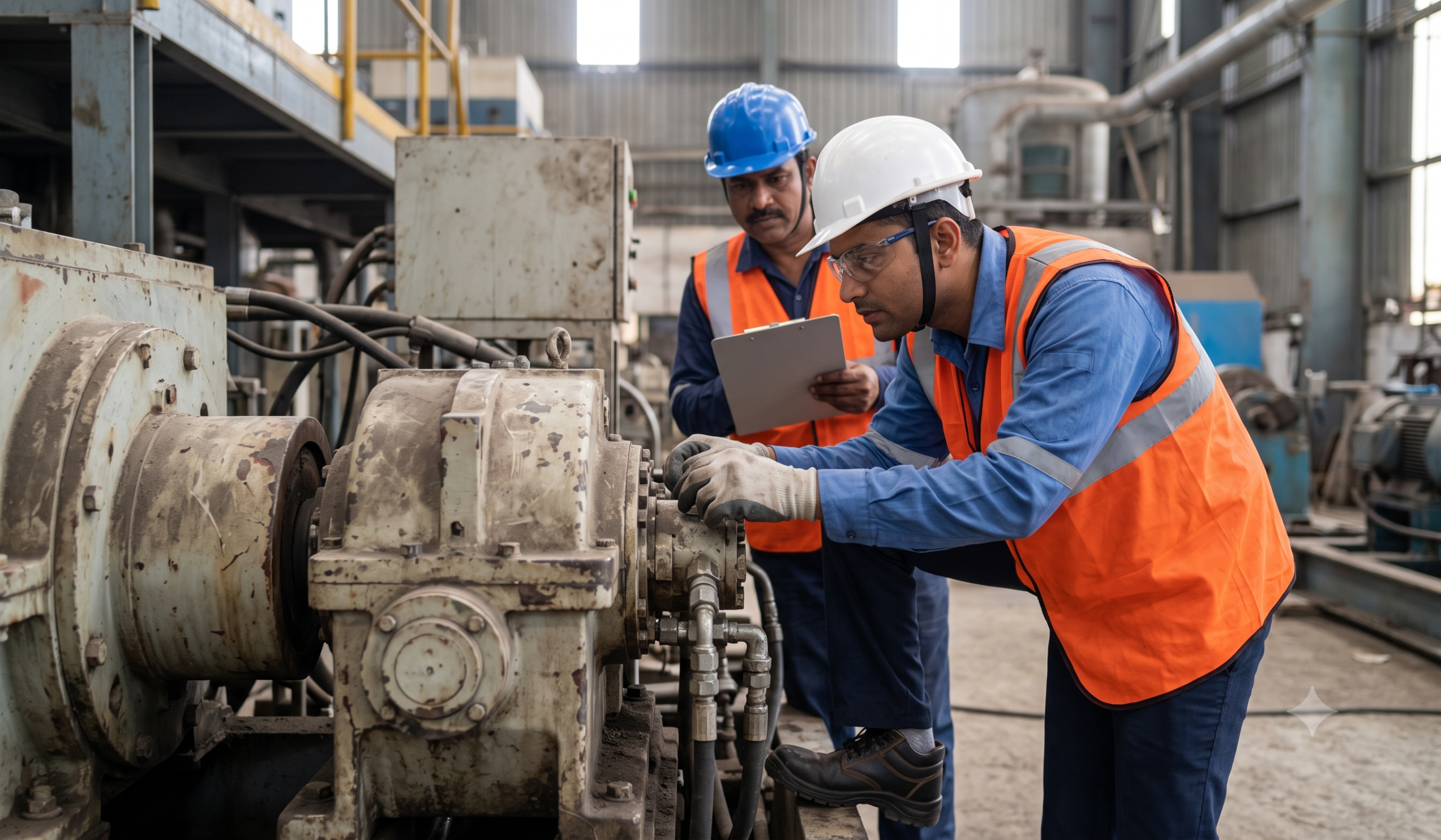
Evaluating equipment quality before purchase prevents costly downtime later. Procurement teams should carefully verify:
- Manufacturer specifications: Ensure the machinery meets the required output and load capacities.
- Material and build quality: Check for heavy-duty construction suited for industrial wear and tear.
- Performance ratings: Review efficiency metrics and power consumption.
- Testing and inspection: Ask for factory testing or inspection reports.
- Standards: Look for relevant industry-specific safety and manufacturing standards.
- Supplier track record: A history of successful deployments indicates reliability.
- Warranty: A comprehensive warranty protects your business against manufacturing defects.
What Should You Know About Industrial Equipment Pricing?
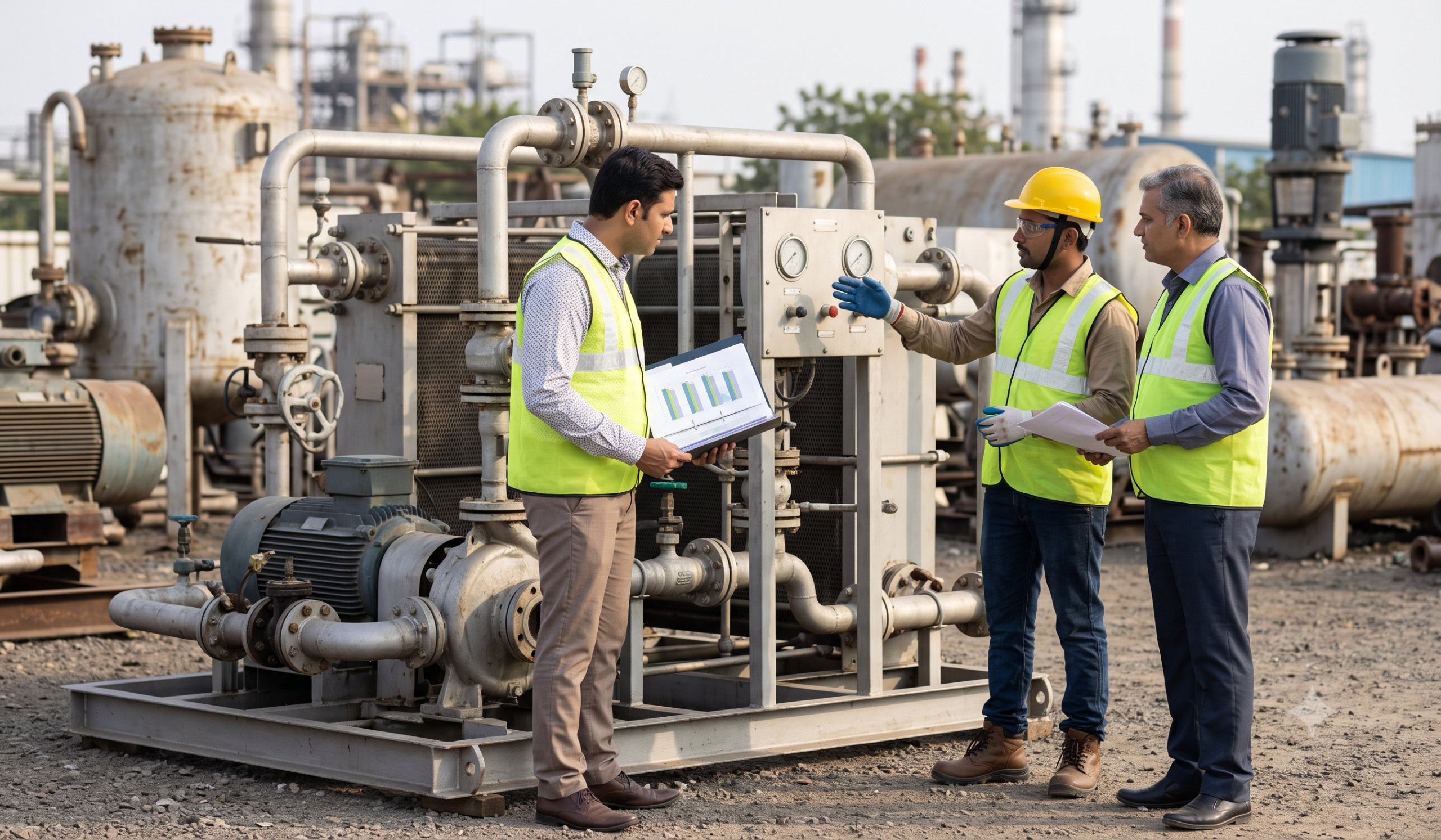
The sticker price of a machine is only a fraction of its financial impact. Industrial equipment price should never be evaluated alone. Instead, buyers must calculate the total cost of ownership, which includes:
- Initial purchase price
- Transportation and logistics
- Installation and commissioning fees
- Preventive maintenance and servicing
- Spare parts availability and cost
- Operating costs
A slightly higher initial investment in quality machinery often yields a lower total cost of ownership by minimizing downtime and repair expenses.
Why Are After-Sales Support and Maintenance Important?
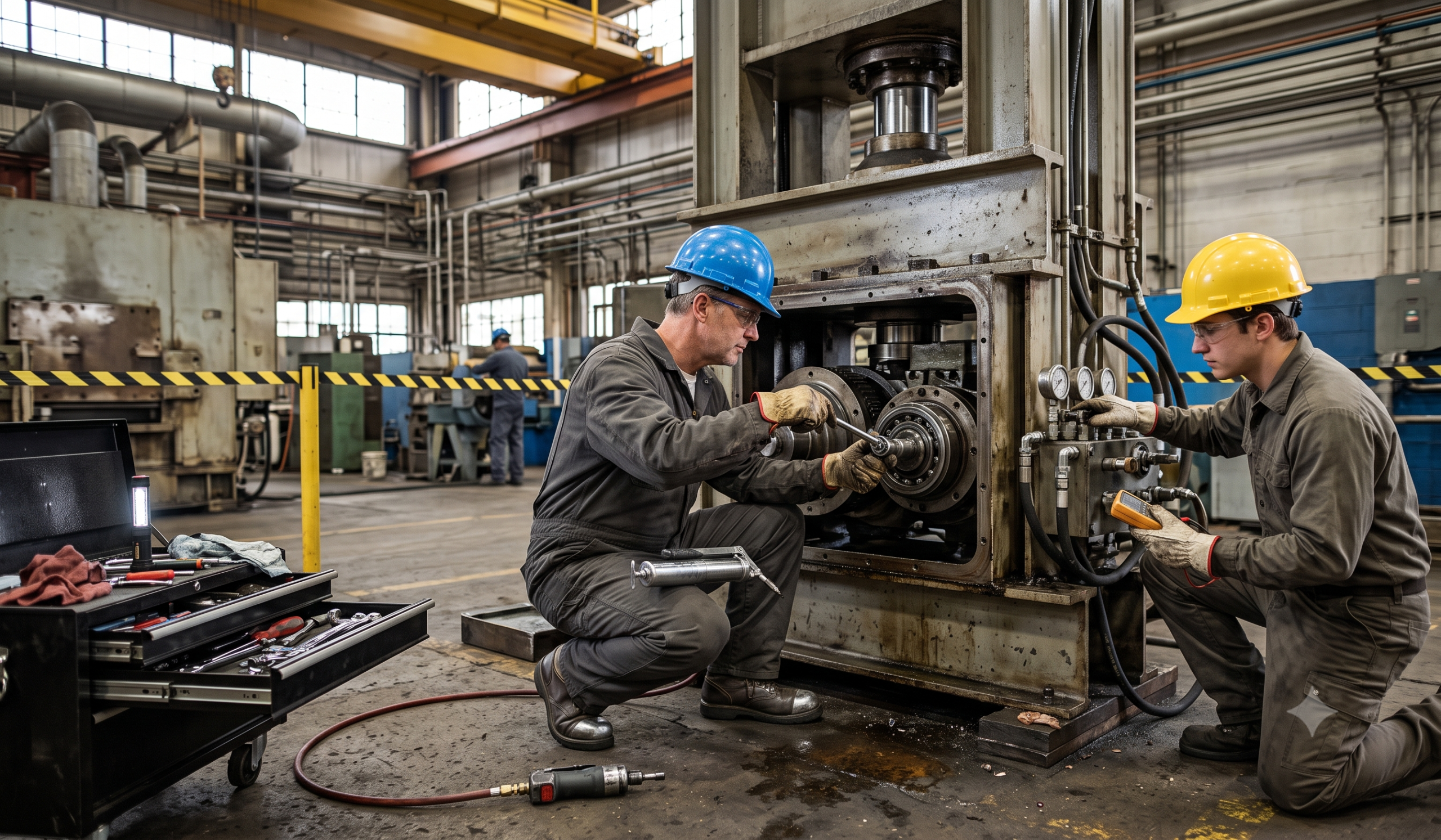
Heavy machinery requires ongoing care. Technical support after the purchase matters just as much as the equipment itself. A strong after-sales program ensures:
- Proper installation assistance and commissioning.
- Access to routine maintenance schedules.
- Readily available spare parts to avoid long supply chain delays.
- Fast service response times for troubleshooting.
Ultimately, excellent after-sales support drastically reduces equipment downtime, keeping your production targets on track.
10 Questions to Ask Industrial Equipment Suppliers
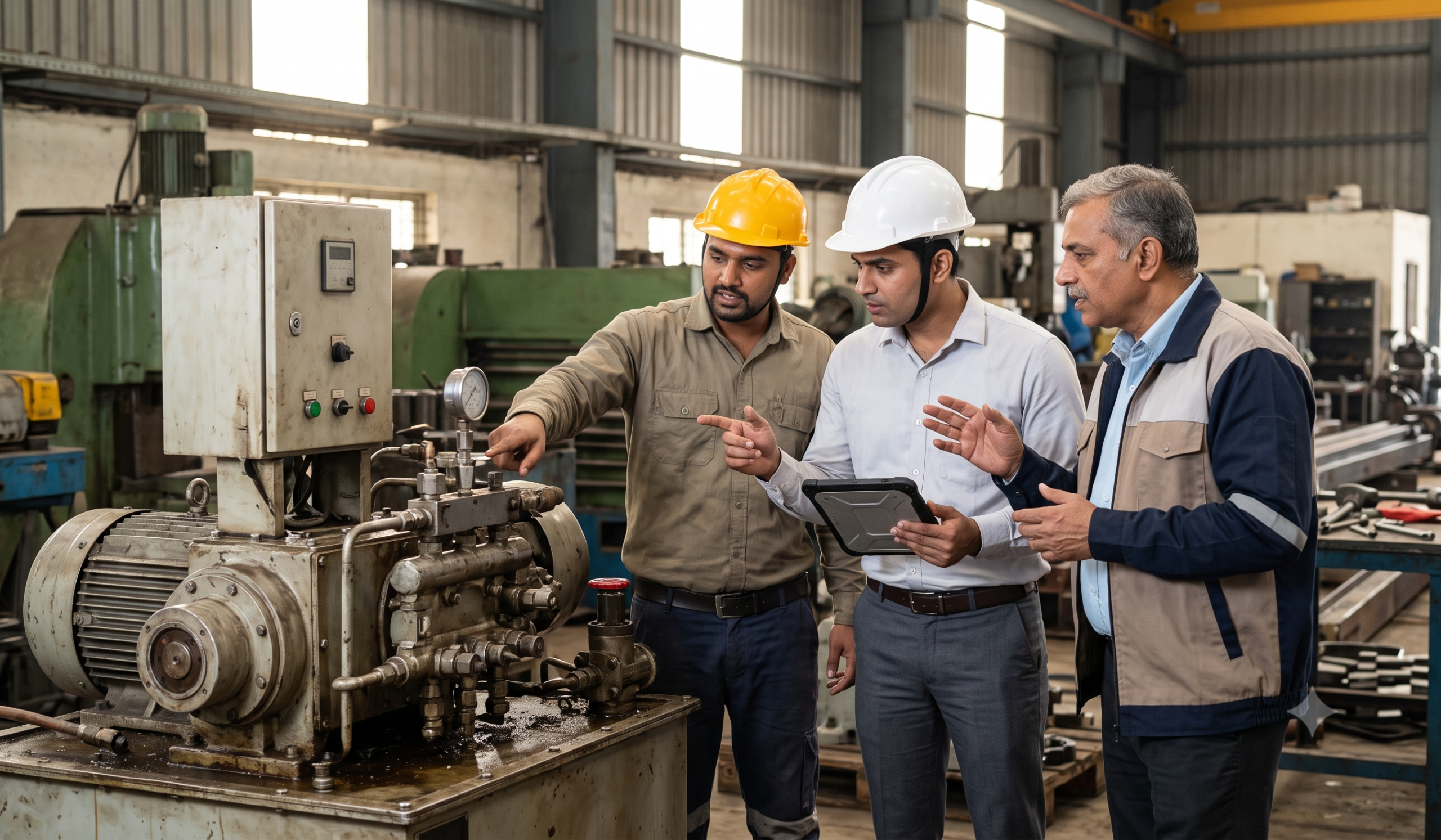
Before signing a purchase order, ask these practical questions to evaluate a supplier’s capability:
- Does this equipment match our exact application and capacity requirements?
- What are the detailed equipment specifications and performance ratings?
- What is the guaranteed delivery timeline to our site?
- What is covered under the warranty, and for how long?
- Do you provide on-site installation and commissioning support?
- How quickly can your service team respond to technical emergencies?
- Are spare parts stocked locally for immediate dispatch?
- Do you offer routine maintenance contracts?
- Can you provide testing certificates or inspection reports?
- What is the total project cost, including freight and installation?
How Can Businesses Compare Industrial Equipment Suppliers?
Comparing vendors systematically prevents emotional or purely price-driven decisions. Use a simple comparison matrix to evaluate suppliers across key operational factors.
Factor | What to Check |
Product Quality | Build materials, performance ratings, and compliance standards. |
Technical Expertise | The supplier’s ability to recommend the correct equipment for your application. |
Pricing | Total cost of ownership, including delivery and installation fees. |
Delivery | Guaranteed lead times and logistics capabilities. |
Warranty | Duration of coverage and replacement policies. |
After-Sales Support | Response times, maintenance services, and spare parts availability. |
Industry Experience | Track record of supplying similar equipment to your specific sector. |
Mandal Group – Industrial Equipment Supply and Project Support
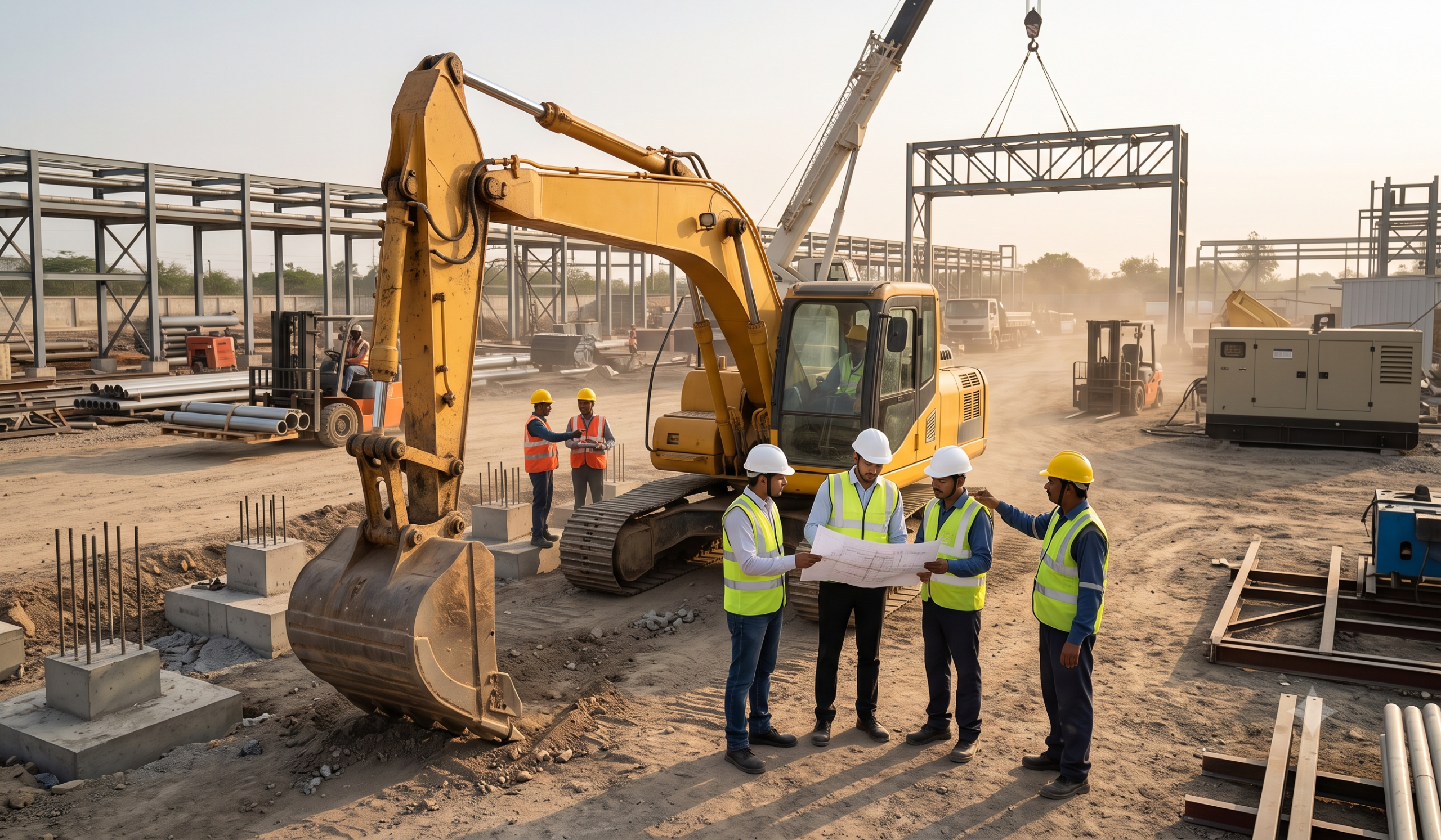
At Mandal Group (Mandal’s Equipment Pvt. Ltd.), we support industrial and infrastructure projects by supplying robust, project-ready machinery. We understand that heavy industries require dependable equipment procurement that aligns perfectly with tight erection and commissioning schedules.
Our team focuses on supplying the right industrial equipment tailored to your specific plant or site requirements. From structural fabrication support to heavy equipment coordination, we prioritize safe handling, precise technical specifications, and reliable delivery. By combining equipment supply with deep industrial engineering experience, we help project managers streamline their procurement and minimize site delays. Contact Mandal Group today to discuss your industrial equipment requirements.
Frequently Asked Questions:
- What do industrial equipment suppliers in India provide?
Industrial equipment suppliers provide machinery, heavy equipment, material handling systems, and construction tools required for manufacturing and infrastructure projects. Many professional suppliers also offer installation, commissioning, and after-sales maintenance support.
- How do I choose an industrial equipment supplier?
Choose a supplier by evaluating their industry experience, product quality, and technical expertise. Look beyond the initial purchase price and assess their delivery capabilities, warranty terms, and the reliability of their after-sales support networks.
- What should I check before buying industrial equipment?
Before buying, check the manufacturer’s technical specifications, build quality, and performance ratings. Always verify warranty coverage, availability of spare parts, and whether the equipment meets relevant safety and operational standards.
- How can I compare industrial equipment suppliers?
Compare suppliers by looking at the total cost of ownership rather than just the base price. Evaluate their product quality, delivery timelines, technical expertise, and the strength of their maintenance and technical support.
- What affects industrial equipment pricing?
Pricing is affected by the equipment’s capacity, material quality, and technology level. The total cost also includes transportation, installation, operator training, ongoing maintenance, and the long-term availability of spare parts.
- Do industrial equipment suppliers provide installation support?
Yes, reputable industrial equipment suppliers usually provide on-site installation and commissioning support. This ensures the machinery is set up correctly, calibrated for your specific application, and operates safely from day one.
- Why is after-sales service important for industrial equipment?
After-sales service is vital because industrial equipment requires regular maintenance to prevent breakdowns. Reliable technical support ensures fast troubleshooting, quick access to spare parts, and minimized operational downtime for your facility.
