
An unexpected equipment failure on the factory floor does more than just stop a single machine. It instantly triggers a cascade of production downtime, delayed project timelines, emergency repair expenses, and serious safety concerns. When thousands of dollars in lost productivity are on the line, choosing the right support partner is not simply about finding the lowest quotation. You need a contractor capable of preventing these breakdowns before they happen.
This guide explores the 10 essential factors businesses must evaluate before selecting a provider. By understanding exactly what to look for, you can partner with the right industrial maintenance services in 2026 to protect your critical assets and keep your plant operating smoothly.
What Are Industrial Maintenance Services?
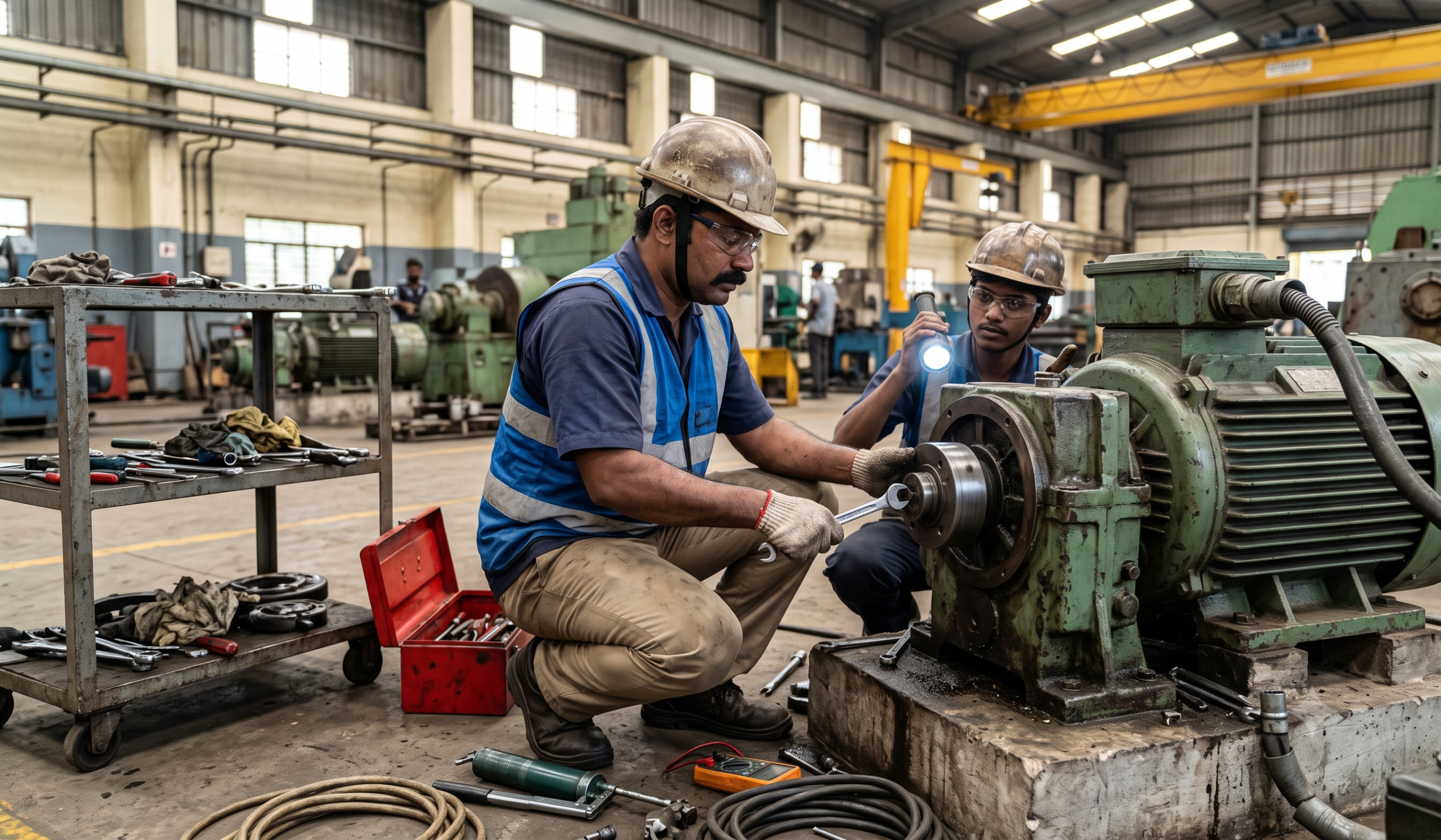
Industrial maintenance services cover the regular inspection, servicing, repair, upkeep, and technical support required to keep industrial equipment and facilities operating reliably. Rather than waiting for machinery to break, professional maintenance focuses on sustaining continuous operational efficiency.
A specialized provider handles a broad spectrum of tasks, from scheduled preventive maintenance and equipment inspections to urgent breakdown maintenance and troubleshooting. Depending on a facility’s needs, these services also include targeted mechanical maintenance, comprehensive plant maintenance support, and the deployment of technical manpower to assist in-house engineering teams.
Why Is Industrial Maintenance Important for Businesses?
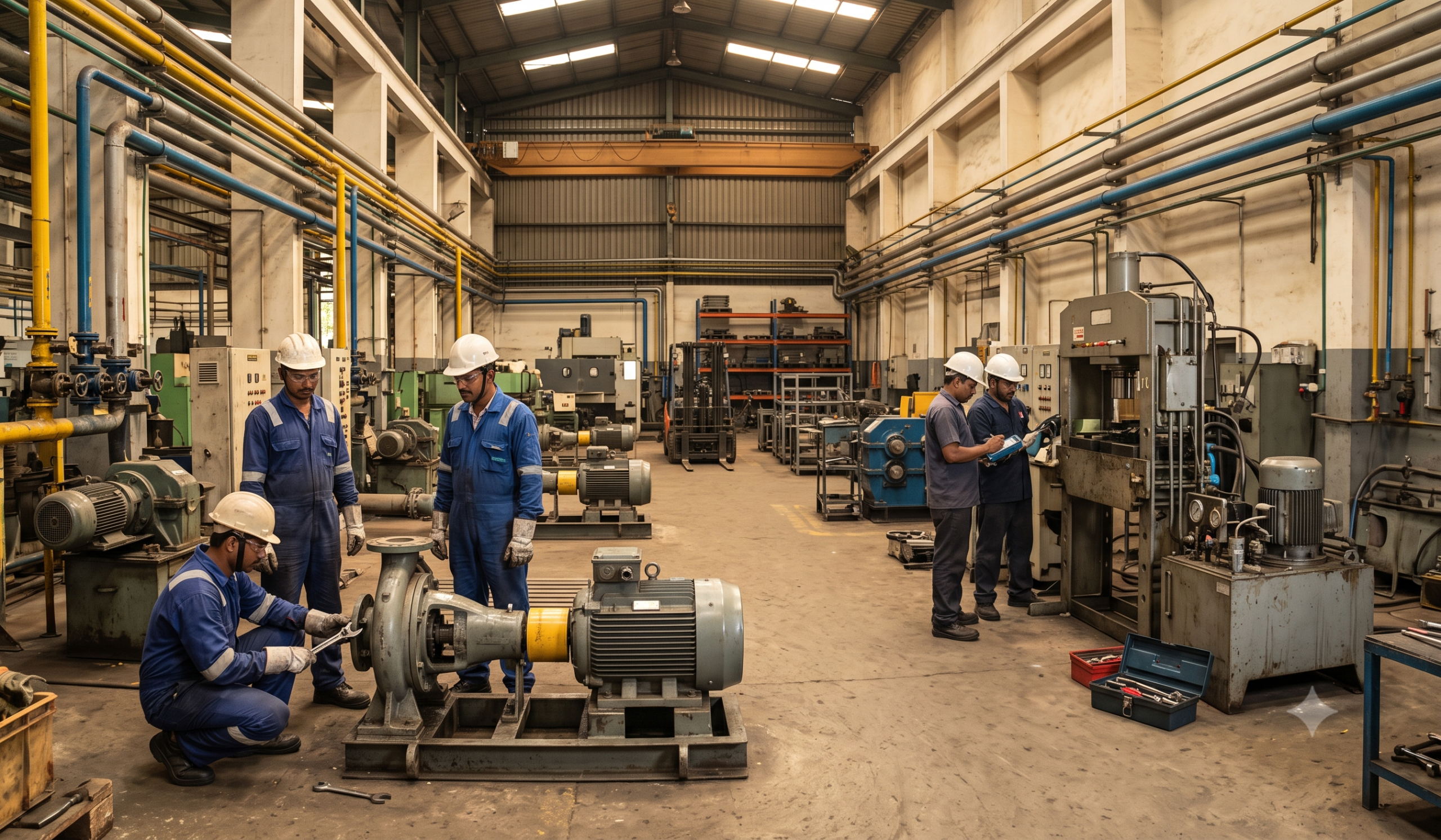
Effective maintenance is the absolute backbone of production continuity. When machinery is regularly serviced, equipment reliability increases, which directly translates to significantly reduced unexpected downtime. While proper maintenance cannot completely eliminate every instance of downtime, it drastically reduces the risk and financial impact of catastrophic equipment failures.
Routine upkeep also extends the overall equipment life and guarantees a safer working environment for plant personnel. By transitioning to strategic maintenance planning, businesses achieve better cost control. They avoid the heavy financial penalties associated with emergency fixes, express spare-part shipping, and missed production targets.
10 Essential Factors to Consider Before Choosing a Maintenance Service Provider.
- Relevant Industry Experience: Verify that the provider has a strong track record operating in similar plants, machinery setups, or heavy industrial environments.
- Technical Expertise: Ensure they possess the exact technical knowledge required for your specific equipment and unique operational maintenance requirements.
- Scope of Services: Confirm precisely which maintenance activities are included to prevent unexpected gaps between your operational expectations and their delivery.
- Preventive Maintenance Capability: Check their ability to execute structured,
planned maintenance schedules that identify potential equipment problems early. - Response Time: Ask about their emergency protocols, as timely technical support is critical when unexpected equipment problems occur on the floor.
- Safety Practices: Evaluate their commitment to safe work procedures, trained personnel, mandatory PPE, site rules, and applicable regulatory safety requirements.
- Skilled Manpower and Resources: Confirm they have adequate manpower, specialized diagnostic tools, equipment, and technical resources for heavy industrial maintenance work.
- Spare Parts and Repair Support: Assess their spare-part availability and repair network, which directly affects how quickly they can execute a maintenance turnaround.
- Reporting and Documentation: Check their administrative processes for delivering clear inspection reports, maintenance records, service history, and transparent communication.
- Contract Terms and Ongoing Support: Understand the defined scope, pricing, service expectations, liabilities, and after-sales support before signing any agreement.
Preventive vs Breakdown Maintenance: What Is the Difference?
Factor | Preventive Maintenance | Breakdown Maintenance |
Timing | Planned | After equipment failure |
Approach | Proactive | Reactive |
Main Purpose | Reduce failure risk | Restore operation |
Planning | Scheduled | Usually unplanned |
Downtime | Can help reduce unexpected downtime | May result in unexpected downtime |
Cost Planning | Easier to plan | May involve emergency repair costs |
Industrial businesses often use both approaches. The choice depends heavily on the equipment type, operational criticality, operating conditions, and overall maintenance strategy. While preventive maintenance is essential for critical production assets, breakdown maintenance may be suitable for easily replaceable, non-critical utility components.
What Equipment Can Industrial Maintenance Services Cover?
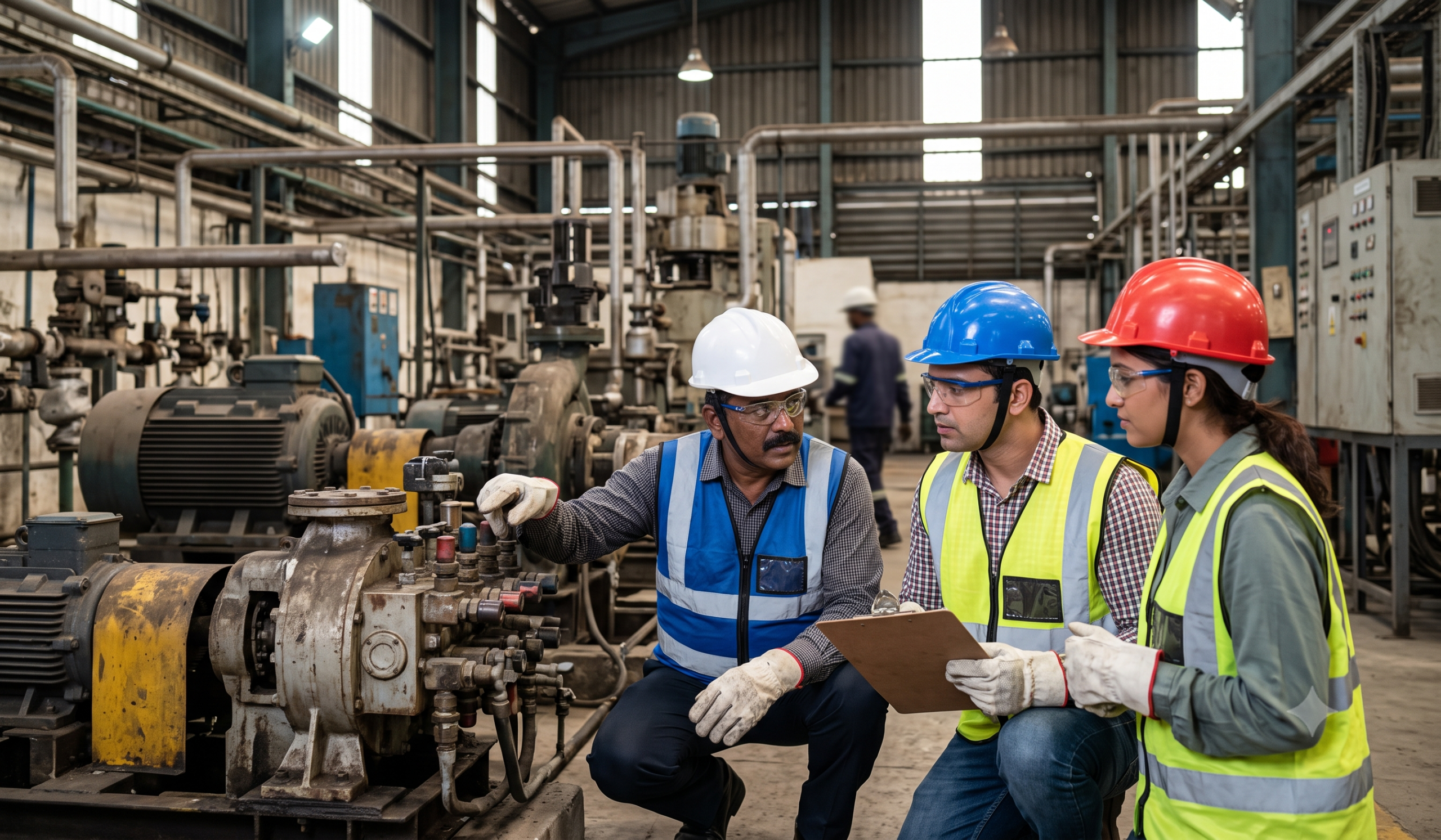
The exact scope of equipment coverage depends entirely on the service provider and the specific project requirements. However, industrial maintenance services in 2026 generally cover a vast array of heavy and specialized systems, including:
- Industrial machinery
- Pumps, motors, and compressors
- Conveyors and material handling equipment
- Steel plant equipment
- Mechanical systems
- Core production and utility equipment
Always confirm whether the service provider has verified experience handling your specific equipment within your exact operating environment.
How Does Preventive Maintenance Reduce Equipment Downtime?
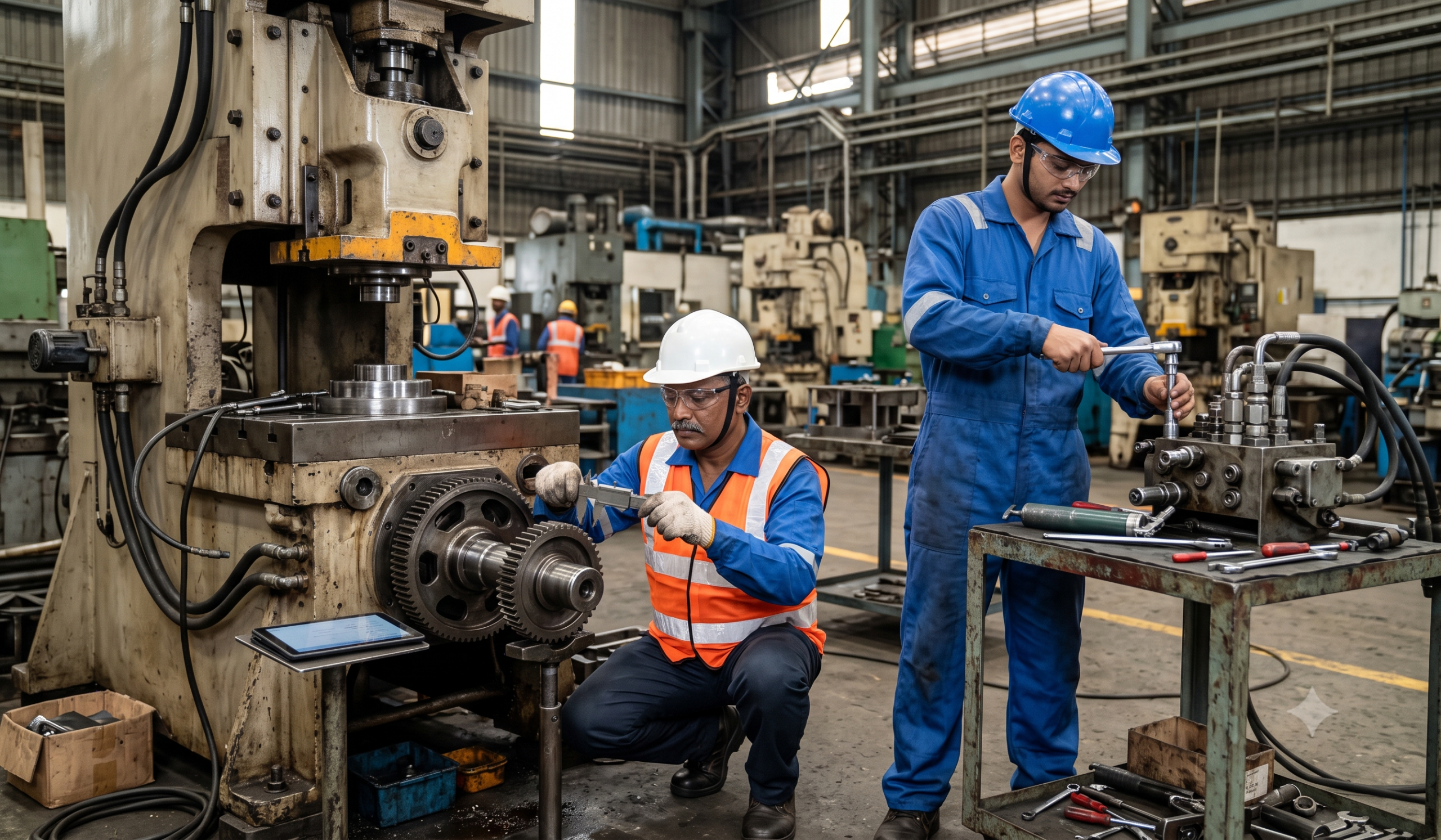
Preventive maintenance works by addressing minor mechanical wear before it escalates into a major operational halt. This approach involves regular inspections, strict lubrication schedules, deep cleaning, alignment checks, and continuous component wear monitoring.
Through scheduled servicing, technicians secure the early identification of potential problems like bearing fatigue or abnormal vibration. Identifying these issues early allows businesses to plan maintenance during scheduled shift changes or facility shutdowns. This significantly reduces unexpected downtime, though it does not guarantee zero equipment failure.
Why Are Safety Standards Important in Industrial Maintenance?
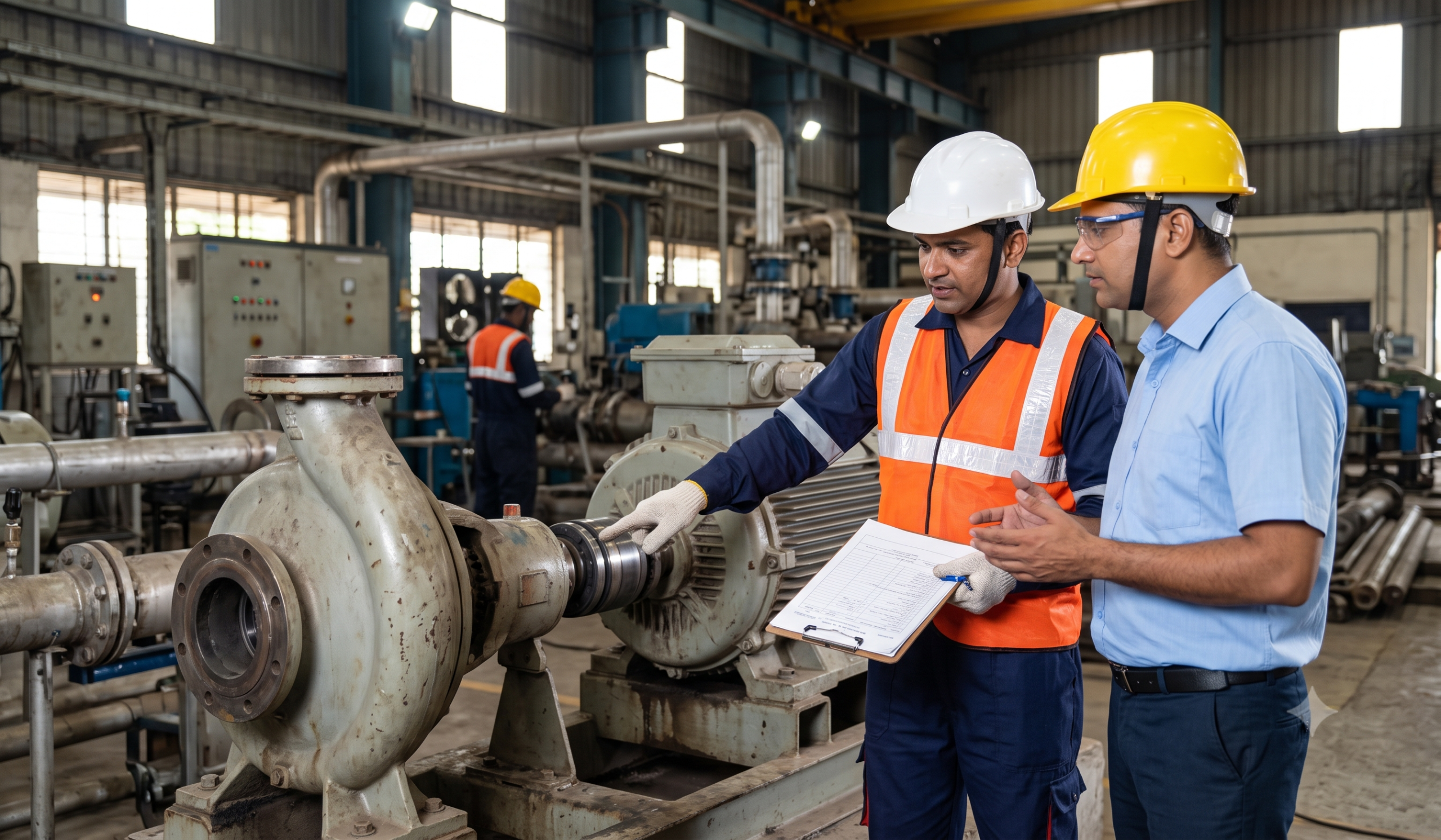
Maintenance activities frequently involve severe hazards, depending heavily on the industrial environment. Technicians routinely interact with moving machinery, live electrical systems, heavy equipment, and dangerously hot surfaces. The work also regularly requires complex lifting operations, navigating confined spaces, or executing work at height.
Strict safety standards mitigate these hazards. Professional maintenance demands thorough risk assessments, the mandatory use of proper PPE, and strict safe work procedures like lockout/tagout (LOTO). Deploying trained personnel who adhere to site-specific safety requirements and applicable regulations is vital to protecting the workforce and the facility.
How to Evaluate the Technical Expertise of a Maintenance Company?
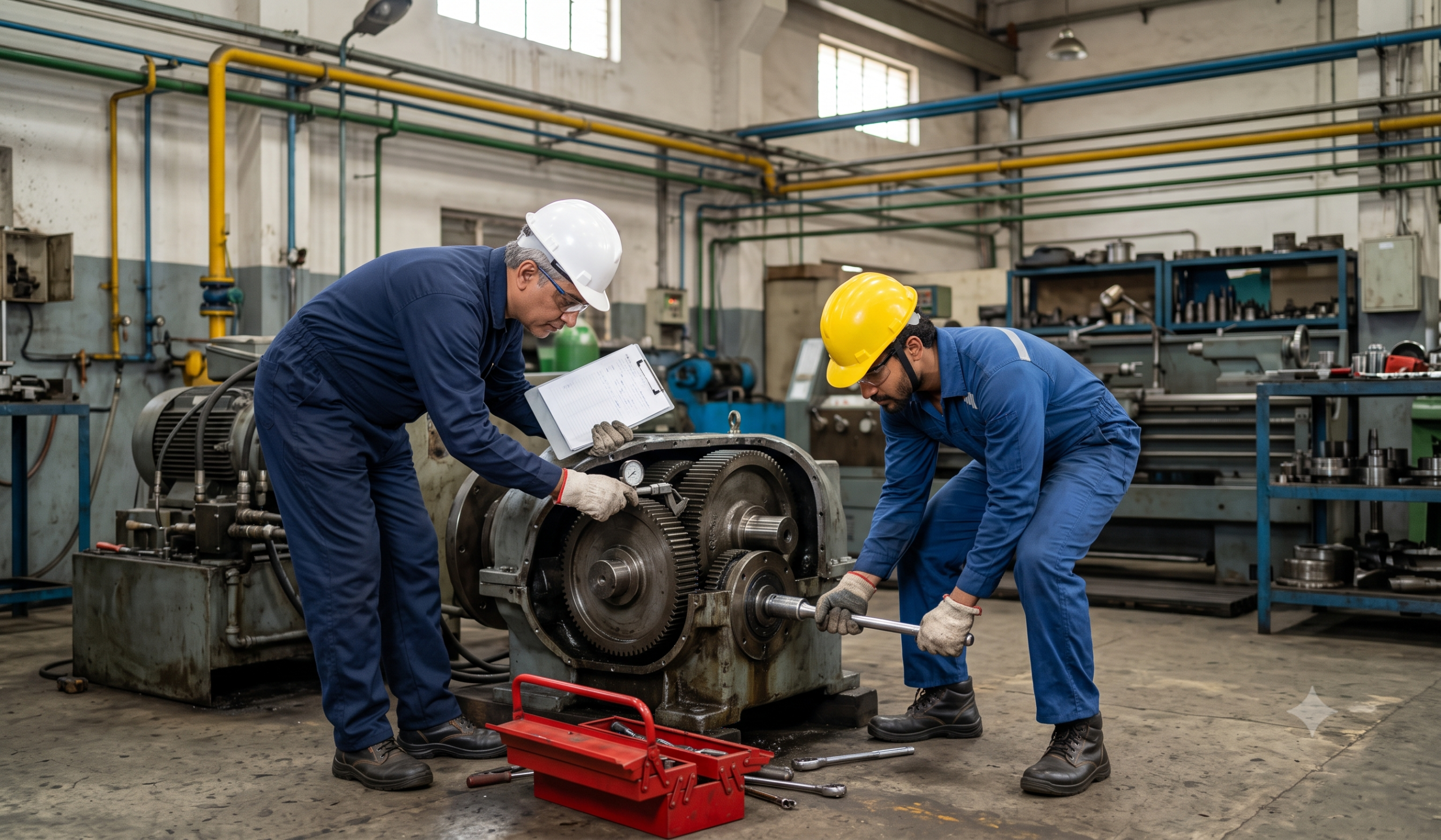
Do not assume all contractors possess the same technical capabilities. Use this checklist to verify their competence:
- Relevant industry experience: Do they understand your specific manufacturing sector?
- Equipment-specific knowledge: Have they serviced your exact machinery models?
- Skilled technical manpower: Are their technicians certified and properly trained?
- Troubleshooting capability: Can they diagnose complex mechanical faults efficiently?
- Preventive maintenance planning: Do they offer structured, data-driven servicing schedules?
- Inspection methods: Do they utilize modern diagnostic testing?
- Safety practices: Is safety deeply embedded in their operational culture?
- Relevant previous work: Can they provide verifiable examples of past projects?
The provider must understand the actual operational requirements of your plant rather than simply offering generic maintenance services.
What Should You Check in an Industrial Maintenance Contract?
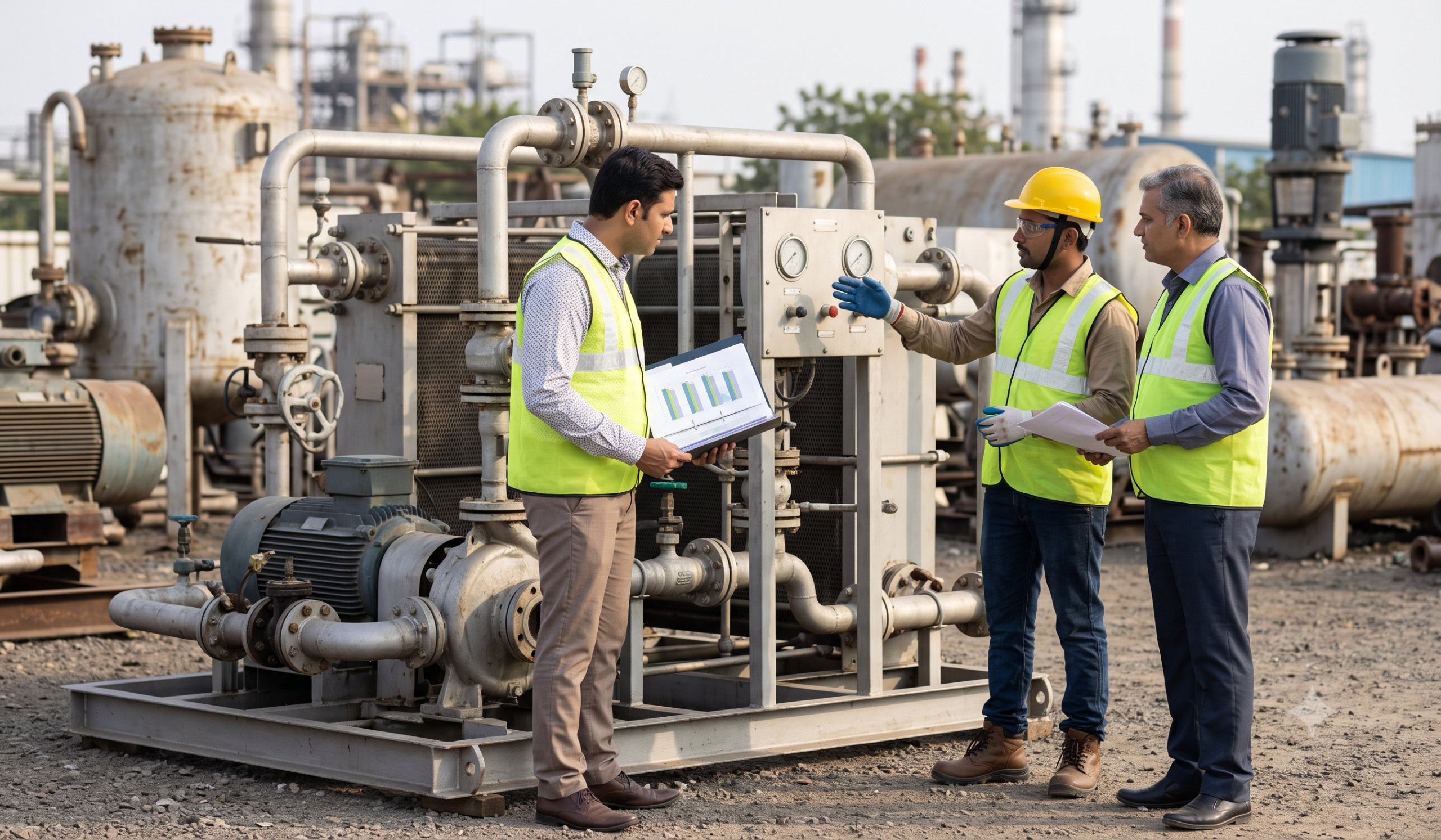
Before signing a maintenance agreement, ensure that every operational detail is clearly mandalindustrial maintenance services defined in writing. The contract should explicitly outline the scope of work and accurately list the equipment covered.
You must confirm the agreed maintenance frequency, required manpower, and designated working hours or shifts. It should establish strict response expectations for emergencies and define spare parts responsibilities. Furthermore, check the reporting requirements, safety responsibilities, pricing structure, and payment terms. Finally, review the contract duration, specific service exclusions, and the terms for renewal or termination.
How Much Do Industrial Maintenance Services Cost?
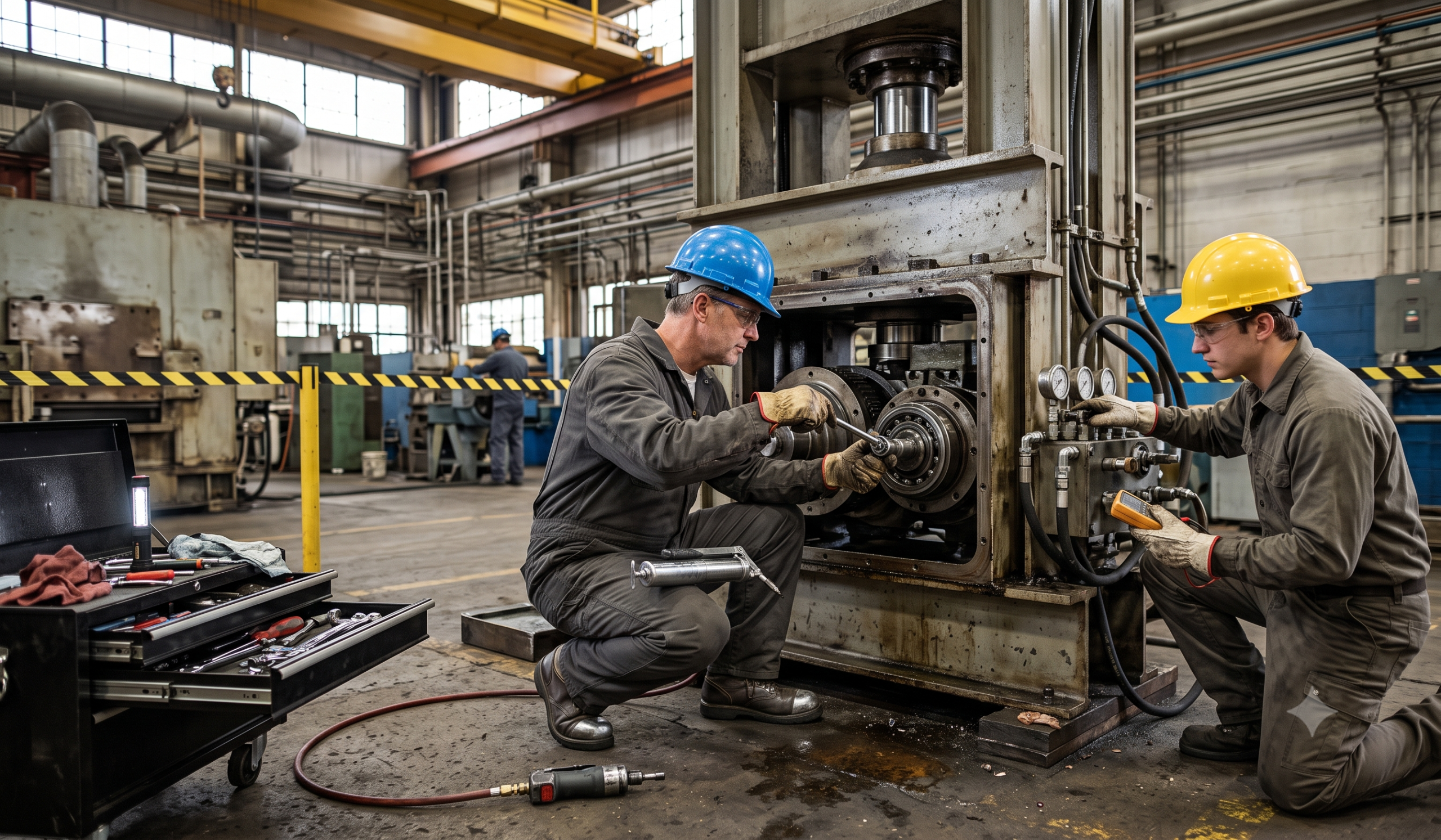
There is no single fixed price for industrial maintenance services because the cost depends entirely on the equipment, scope, manpower, frequency, site requirements, and service arrangement.
Costs are heavily influenced by the number and type of machines, total plant size, and the designated scope of work. Providing 24/7 shift coverage, emergency support, and immediate spare parts access will increase the baseline cost. Project location, contract duration, and the current equipment condition also play major roles. Businesses should always compare the comprehensive scope of service and overall value, rather than only looking at the lowest quotation.
Mandal Group – Industrial Maintenance and Technical Services in 2026.
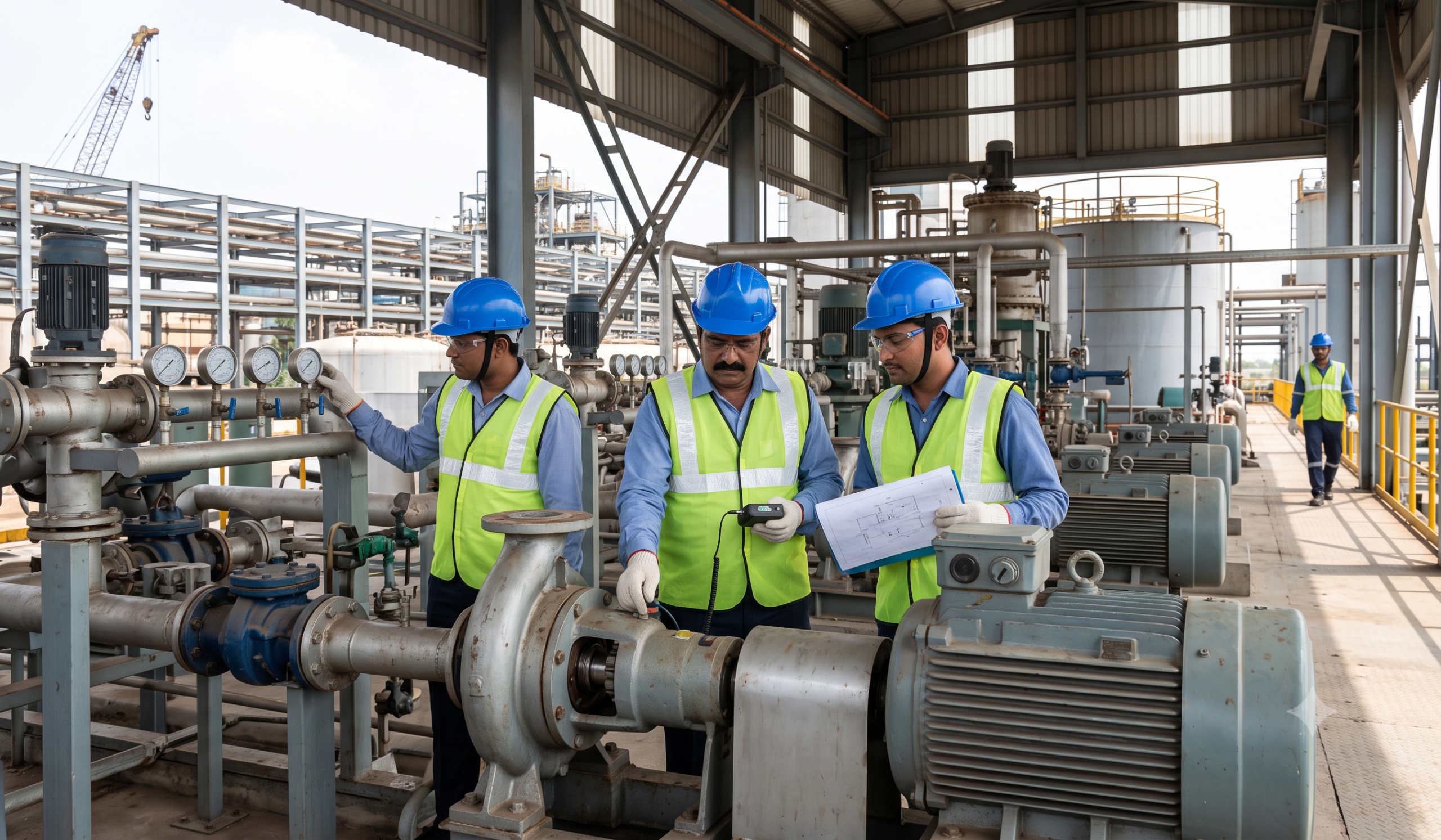
Mandal Group ( Mandal’s Technical Services Pvt Ltd ) provides professional industrial maintenance and technical services designed to keep manufacturing and heavy engineering facilities operating reliably. We supply the skilled technical manpower and engineering oversight required for continuous plant operation and maintenance.
By supporting heavy industrial project requirements with dedicated equipment support, we help plant managers reduce unexpected mechanical failures. Whether your facility requires routine preventive servicing or robust troubleshooting support, our teams are equipped to handle complex industrial environments safely and efficiently. Contact Mandal Group today to discuss your industrial maintenance requirements.
Frequently Asked Questions
- What are industrial maintenance services?
Industrial maintenance services cover the inspection, servicing, repair, and technical upkeep required to keep manufacturing facilities and heavy machinery operating reliably. These services range from planned preventive maintenance to emergency mechanical troubleshooting and repair. - Why are industrial maintenance services important?
These services are critical because they ensure equipment reliability, reduce unexpected production downtime, and extend machinery life. Proper maintenance also improves workplace safety and helps plant managers control operational costs by preventing catastrophic equipment failures. - What are the main types of industrial maintenance?
The two primary types are preventive maintenance, which is scheduled proactively to reduce failure risks, and breakdown (or reactive) maintenance, which aims to restore equipment operation after an unexpected failure occurs. - What equipment can industrial maintenance services cover?
These services can cover a vast range of mechanical systems, including industrial machinery, pumps, motors, compressors, conveyors, and heavy material handling equipment. Exact coverage depends on the service provider’s specific technical expertise and capabilities. - How does preventive maintenance reduce downtime?
Preventive maintenance reduces downtime by using regular inspections, lubrication, and wear monitoring to identify potential equipment problems early. This allows businesses to schedule repairs during planned shift changes instead of suffering unexpected mid-production failures. - How do I choose an industrial maintenance service provider?
You should choose a provider by evaluating their relevant industry experience, specific equipment knowledge, and skilled technical manpower. It is also crucial to review their safety practices, emergency response times, and spare parts support networks. - What should an industrial maintenance contract include?
An industrial maintenance contract should clearly define the scope of work, equipment covered, and maintenance frequency. It must also detail emergency response expectations, safety responsibilities, spare parts supply, reporting requirements, and precise pricing terms.
