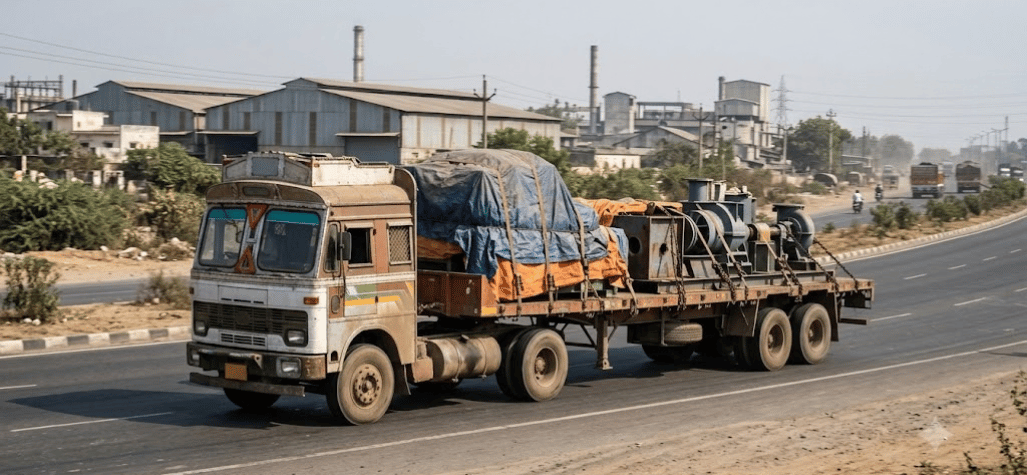
The unexpected delay of a critical project component doesn’t just stall a construction site—it triggers a chain reaction of idle manpower, extended equipment rentals, and missed handover deadlines. When heavy machinery or essential steel components are damaged in transit or stranded due to poor vehicle selection, the financial impact on your project can be severe. Securing the right logistics partner is about much more than simply finding the lowest freight rate; it’s about protecting your supply chain.
This guide explores 10 practical tips procurement teams and project managers must evaluate before finalizing a transportation contract. By understanding exactly what to look for, you can choose the right goods transport services to ensure your cargo arrives safely, on time, and ready for deployment.
What Are Goods Transport Services?
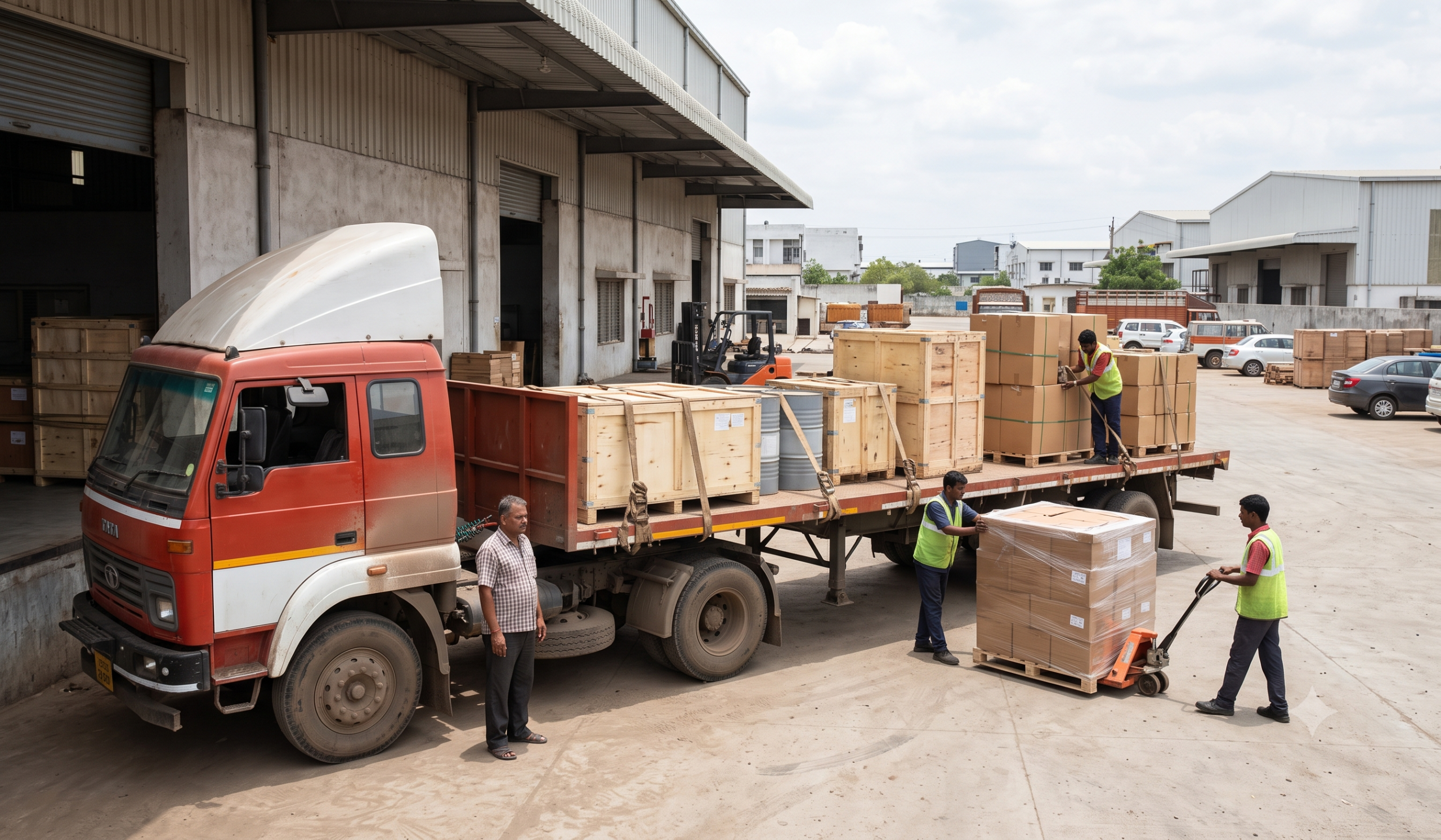
Goods transport services manage the physical movement of commercial and industrial cargo from one location to another. This includes everything from short-distance, intra-city deliveries to complex, long-distance, point-to-point transportation across India. These business-to-business (B2B) services focus on the strategic planning and execution of moving goods safely and efficiently.
Depending on the provider, these services handle a vast array of cargo. Common loads include heavy industrial machinery, structural steel products, bulk construction materials, sensitive engineering equipment, and essential manufacturing components. Properly matching the cargo type to the correct vehicle is the foundation of professional transport logistics.
Why Do Businesses Need Reliable Goods Transportation?
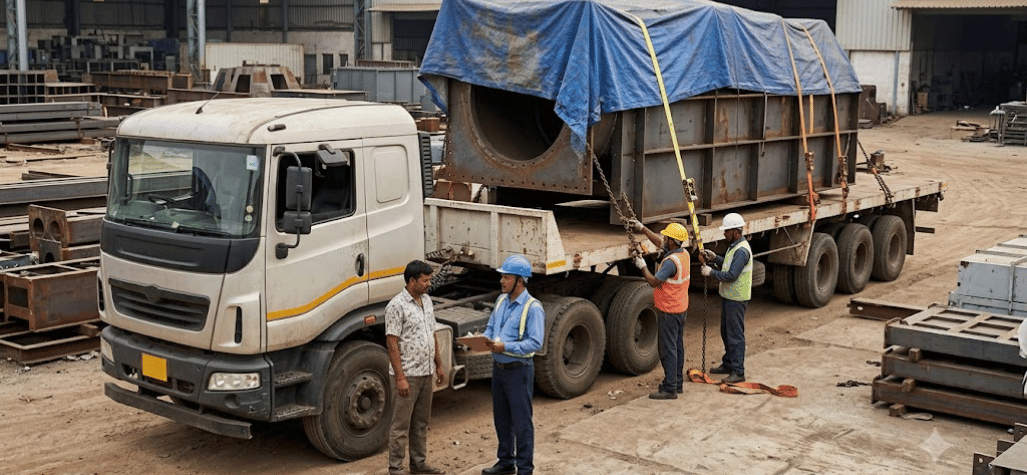
Dependable transportation is the lifeline of supply chain continuity. When raw materials or finished products arrive exactly when required, manufacturing plants maintain their production schedules, and EPC contractors execute their projects without costly delays. Reliable transport ensures you meet your customer commitments while maintaining better control over inventory movement.
However, transport reliability doesn’t happen by accident. It depends heavily on meticulous vehicle selection, intelligent route planning, and secure cargo handling. While no provider can guarantee zero delays against extreme weather or unforeseen road closures, a professional transport service minimizes these risks through proactive communication, active shipment tracking, and seamless service coordination.
10 Tips for Choosing Goods Transport Services in India
- Check the Transporter’s Relevant Experience
A company that excels at moving small commercial parcels might struggle to move a 50-ton transformer. Look for a transport provider with verified experience relevant to your specific cargo type—whether that involves heavy equipment transportation, industrial machinery movement, or executing complex long-distance hauls.
- Evaluate Fleet Capacity and Vehicle Options
Your provider must possess the physical assets required for your load. Confirm they have a suitable fleet, which may include light commercial vehicles for smaller components, flatbed trailers for steel products, or specialized multi-axle modular vehicles for oversized industrial cargo.
- Choose the Right Vehicle for Your Cargo
Never assume any truck will do. Vehicle selection must account for the cargo’s exact weight, dimensions, and volume. You must also consider your specific loading and unloading requirements, the total transport distance, and the road conditions along the route. Always provide accurate cargo details before booking.
- Check Delivery Timelines and Route Planning
Discuss the realistic pickup schedule and delivery window upfront. Professional transporters factor in the total distance, anticipated road conditions, necessary loading time, and potential traffic constraints when planning the route, especially for multi-location deliveries.
- Ask About GPS Tracking and Shipment Visibility
Modern logistics require visibility. Ask if the provider offers GPS tracking, which allows you to monitor the vehicle’s location and track route progress. This visibility is essential for coordinating site-level unloading and keeping your end customers accurately informed.
- Evaluate Cargo Safety and Handling Procedures
Cargo damage is often caused by poor handling, not just bad roads. Inquire about their procedures for properly loading, balancing weight distribution, and securing the cargo against movement. For heavy industrial machinery, suitable lashing and securing protocols are absolutely critical.
- Compare Pricing and What Is Included
Transportation costs fluctuate based on cargo dimensions, total weight, vehicle type, and distance. When requesting a quotation, ensure it clearly details all inclusions and exclusions, such as fuel arrangements, toll charges, waiting time fees, and any costs for special handling.
- Check Documentation and Communication
Clear paperwork prevents coordination disasters. Ensure the provider maintains accurate booking details, cargo documentation, and proof of delivery. Consistent communication from the dispatch team is just as important as the physical transport itself.
- Confirm Availability and Response Time
A transport provider is only useful if they have vehicles available when you need them. Evaluate their pickup scheduling flexibility, response times to inquiries, and their capacity to handle recurring transportation requirements or urgent project support.
- Review Service Terms Before Booking
Before confirming any booking, thoroughly review the transportation scope. Clarify the exact pickup and delivery points, loading and unloading responsibilities, cancellation terms, waiting charges, and the specific procedures for filing damage claims.
What Types of Goods Can Be Transported?
Transport providers handle different cargo categories based on their fleet capacity and operational expertise.
Cargo Type | Transportation Considerations |
Industrial Machinery | Requires exact weight/dimension analysis, plus specialized loading and securing. |
Steel Products | Demands high-weight capacity and suitable open-body or flatbed vehicles. |
Construction Materials | Focuses on managing large quantities, high volume, and efficient routing. |
Engineering Equipment | Requires strict weather protection, careful handling, and vehicle stability. |
Manufacturing Components | Depends on secure packaging and safe, vibration-reduced handling. |
Commercial Goods | Prioritizes volume capacity, delivery speed, and enclosed vehicle types. |
Heavy Equipment | Necessitates high load capacity, route surveys, and special handling permits. |
Cargo acceptance always depends on the transporter’s equipment and route policies. Not every transporter handles every type of cargo.
How to Choose the Right Transport Vehicle for Your Cargo?

Matching your cargo to the correct vehicle prevents damage and avoids legal overloading penalties. Businesses must carefully evaluate the cargo’s exact weight, dimensions, and overall volume. You must also account for how the cargo will be loaded (e.g., via overhead crane or forklift) and unloaded at the destination. The total distance, road conditions, and any special transportation requirements also dictate the final vehicle choice.
The right vehicle is determined by the cargo and route—not simply by the lowest transportation price.
What Factors Affect Goods Transport Costs in India?
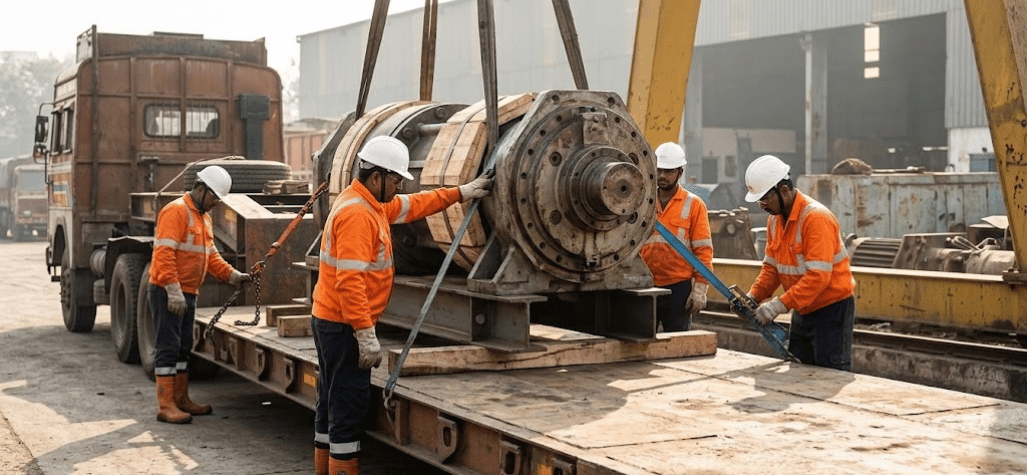
There is no single fixed transportation price for commercial freight. The total cost is primarily dictated by the total transit distance, the cargo’s weight and dimensions, and the specific vehicle capacity required.
Other significant factors include fluctuating fuel costs, route tolls, and the time required for loading and unloading. If your cargo requires special handling, or if the vehicle incurs extended waiting time at the site, the cost will increase. Always compare quotations based on the complete service scope and total applicable charges, rather than just the initial quoted base rate.
Why Are Cargo Safety and Proper Handling Important?
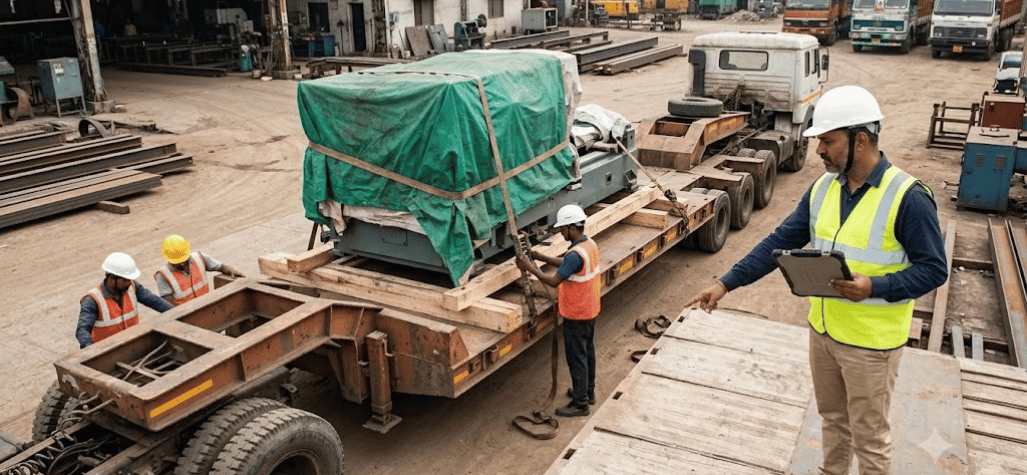
Poor handling during transit results in severe consequences: irreversible cargo damage, project disruptions, additional replacement costs, and angry customers.
Ensuring cargo safety requires proper loading techniques, suitable vehicle selection, and rigorous cargo securing using appropriate lashing or packaging. Driver awareness and careful site coordination during loading and unloading are equally vital. For industrial machinery and heavy cargo, transportation must be meticulously planned according to the equipment’s exact weight, dimensions, and handling sensitivities to prevent catastrophic damage.
How Does GPS Tracking Improve Goods Transportation?
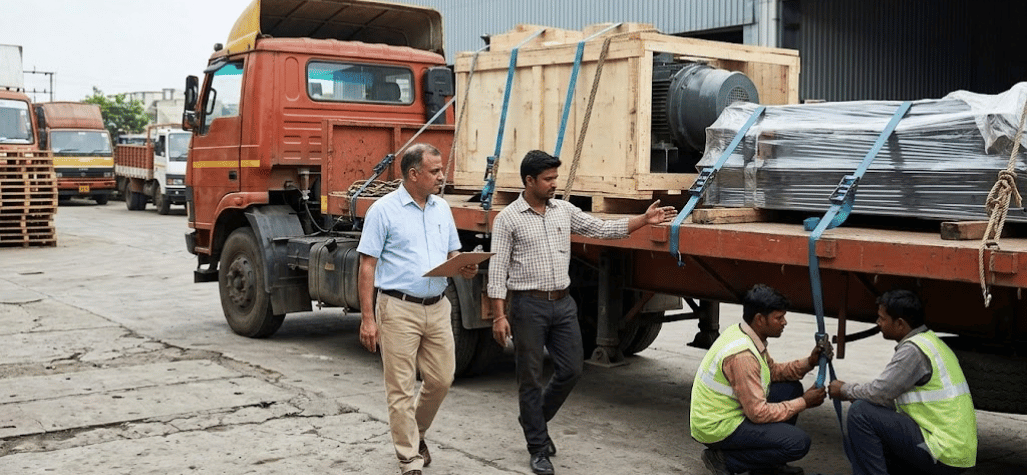
GPS tracking provides critical shipment visibility, allowing businesses to monitor the exact location of their cargo in real-time. This visibility significantly improves logistics planning by helping project managers accurately coordinate delivery times and site unloading crews. It also allows you to proactively communicate route progress and expected arrival times to your customers. However, note that tracking features and availability vary significantly between different transportation providers.
What Should You Check Before Booking a Transport Service?
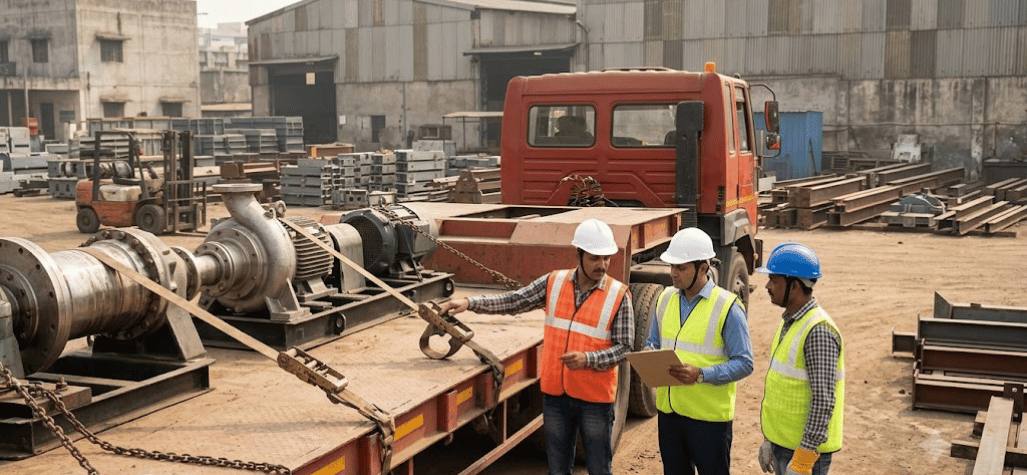
Use this simple pre-booking checklist to ensure all details are covered:
- Cargo type, exact weight, and dimensions
- Specific pickup and delivery locations
- Required delivery date or operational window
- Required vehicle type and capacity
- Total pricing (including all included/excluded charges)
- Clear loading and unloading responsibilities
- Availability of GPS tracking
- Required documentation (e-way bills, invoices)
- Damage and claim processes
- Cancellation terms and waiting charges
- Agreed payment terms
How to Find Reliable Goods Transport Services for Industrial Cargo?

To find a dependable partner, procurement teams should evaluate a provider’s relevant experience in handling specific industrial cargo. Assess the suitability and condition of their vehicle fleet, alongside their cargo handling capabilities and safety procedures.
Look for providers offering transparent pricing, extensive route coverage, and clear communication. Evaluate their tracking capabilities and customer support responsiveness. Businesses should compare providers based on their overall reliability, service scope, and cargo suitability, rather than making a decision based solely on the cheapest freight rate.
Mandal Group – Goods Transport Services Across India.

At Mandal Group, Mandal’s Transport Services Pvt. Ltd we provide specialized goods transportation services designed to support heavy industries, EPC contractors, and manufacturing businesses. We understand the complexities of moving industrial cargo, heavy equipment, and critical machinery across India. Our transportation solutions prioritize safe cargo handling, suitable vehicle selection, and reliable project-related logistics. By aligning our fleet capabilities with your specific cargo requirements, we help ensure your commercial transportation needs are met safely and efficiently. Contact Mandal Group today to discuss your industrial goods transportation requirements.
Frequently Asked Questions:
- What are goods transport services?
Goods transport services manage the physical movement of commercial, industrial, and heavy cargo from one location to another. These B2B logistics services handle everything from vehicle selection and route planning to the safe delivery of machinery, steel, and construction materials. - How much do goods transport services cost in India?
The cost of goods transport services depends on the total distance, cargo weight, dimensions, and the specific type of vehicle required. Additional factors influencing the price include fluctuating fuel costs, route tolls, loading/unloading time, and any required special handling. - How do I choose the right vehicle for transporting goods?
Choose the right vehicle by accurately assessing your cargo’s total weight, exact dimensions, and volume. You must also factor in your specific loading and unloading methods (such as crane or forklift access) and the road conditions along your delivery route. - What types of goods can be transported?Providers transport a wide variety of goods, including heavy industrial machinery, structural steel products, bulk construction materials, and sensitive engineering equipment. The ability to transport specific items depends entirely on the provider’s vehicle fleet and handling capabilities.
- Do goods transport services provide GPS tracking?
Many modern goods transport services offer GPS tracking, which provides real-time shipment visibility and helps coordinate delivery schedules. However, tracking availability varies by provider, so you should always confirm this feature before booking your transport. - How can I transport heavy industrial machinery safely?
Transport heavy machinery safely by hiring a provider with specific industrial cargo experience. Ensure they select the correct heavy-duty vehicle, utilize proper load distribution, and rigorously secure the equipment using certified lashing procedures before transit. - What should I check before booking a goods transport service?
Before booking, verify that the provider can supply the correct vehicle for your cargo’s weight and dimensions. Clearly define pickup and delivery locations, review all pricing inclusions and exclusions, establish loading responsibilities, and confirm the specific damage claim processes.
