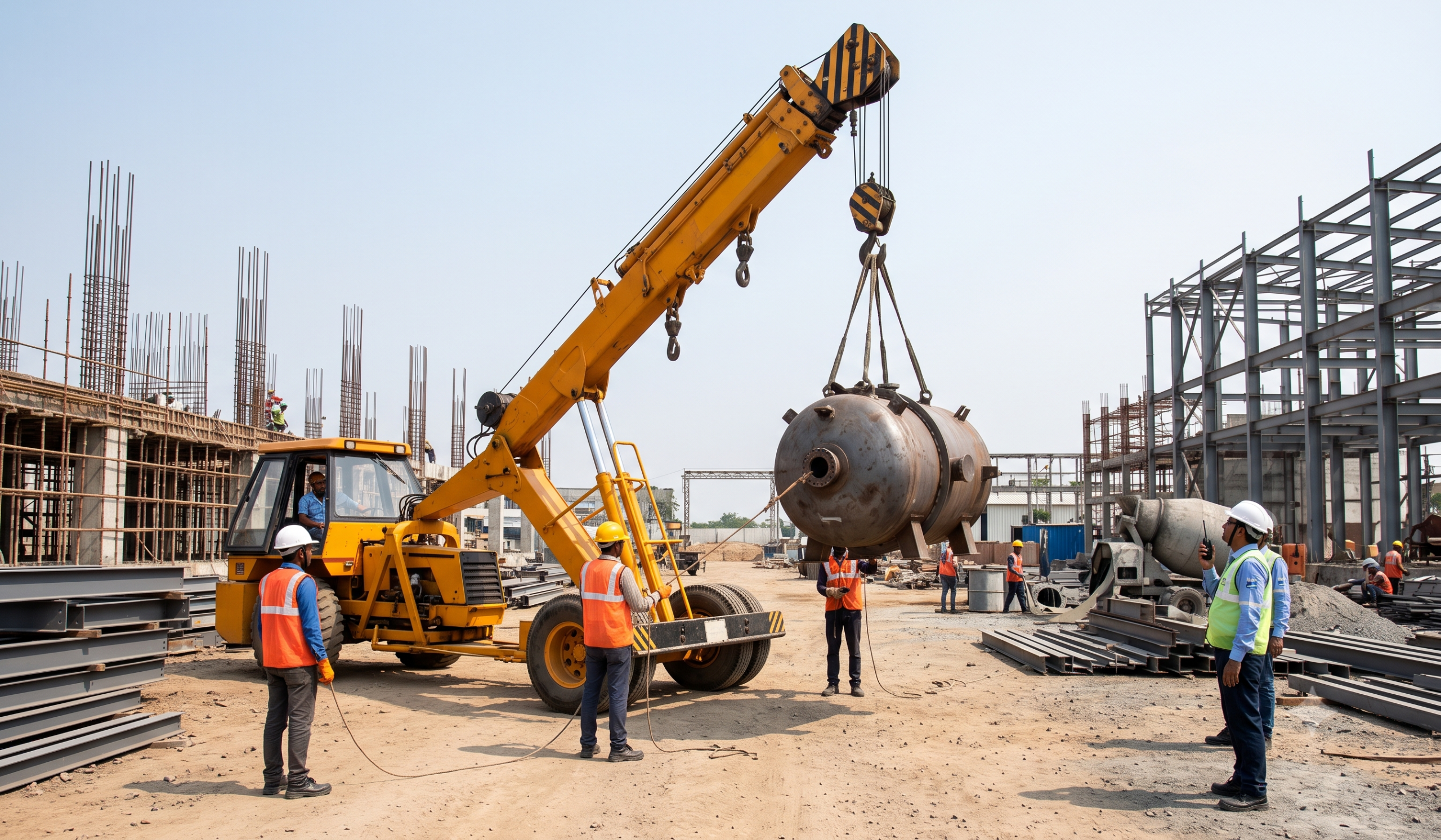
Selecting the wrong crane for a lifting job can quickly disrupt an entire construction schedule. When a crane lacks the required lifting radius, or when unexpected site access issues prevent the machine from setting up properly, contractors face immediate project delays and unexpected rental expenses. Beyond scheduling, utilizing a crane with an incorrect load capacity introduces severe safety concerns that put personnel and property at risk.
Securing the right heavy lifting equipment involves much more than simply requesting the cheapest quotation. This guide explores seven practical factors procurement teams and project managers must evaluate before finalizing an agreement. By understanding how to properly match equipment to your site conditions, load requirements, and safety standards, you can confidently choose the right crane rental services in India to keep your project moving safely and on time.
What Are Crane Rental Services?
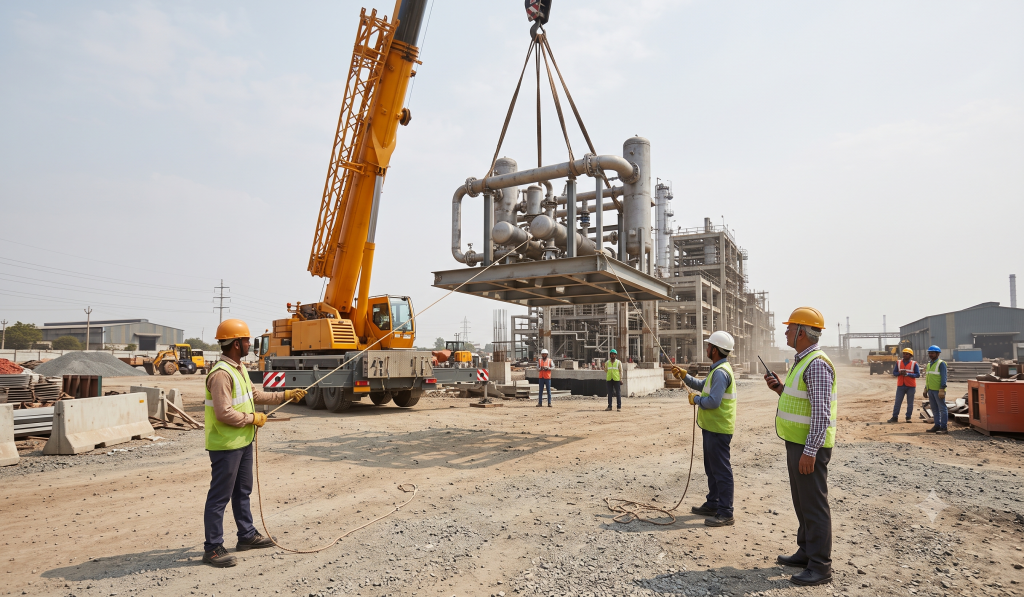
Crane rental services provide businesses with temporary access to heavy lifting machinery for short-term or long-term projects. Rather than purchasing expensive equipment, contractors hire cranes to execute specific lifting tasks, structural erection, or heavy material handling.
These services typically support the construction, manufacturing, infrastructure, and steel plant sectors. Rental arrangements can range from providing the equipment only (bare rental) to supplying a fully maintained crane alongside a certified operator and rigging crew. Matching the exact crane configuration to the project’s load and height requirements is essential for safe execution.
Why Rent a Crane Instead of Buying One?
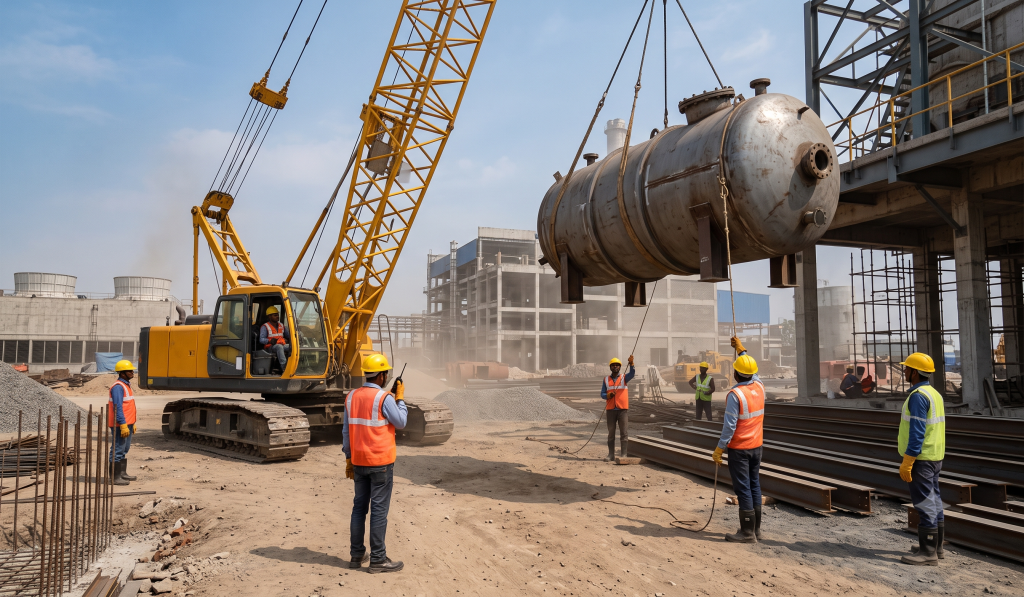
Renting a crane offers practical operational flexibility that ownership cannot match. Businesses choose to rent for:
- Short-term or occasional lifting requirements
- Avoiding massive upfront fleet investment and ongoing storage costs
- Gaining access to different crane capacities as project phases change
- Securing specialized equipment, such as rough-terrain or tower cranes, only when required
Renting is not universally cheaper than buying; the better option depends entirely on project duration, capital budget, required fleet utilization, and specific business needs.
7 Factors to Consider Before Renting a Crane
- Crane Type and Application
You must select the crane according to the specific lifting task and site environment. Mobile cranes offer rapid deployment, while tower cranes are required for high-rise construction. Rough-terrain and crawler cranes are necessary for unpaved or unstable sites. The final selection depends heavily on site access, lifting requirements, and operating terrain.
- Lifting Capacity and Load Requirements
A crane’s capacity must be evaluated based on the load weight, lift height, working radius, and boom length. You must also consider the load dimensions and the specific lifting path. Never select a crane based solely on its maximum advertised capacity; rely on manufacturer load charts and a project-specific lifting assessment.
- Site Conditions and Accessibility
Evaluate the available working space, ground stability, and entry routes before finalizing a rental. Overhead restrictions, existing structures, and the required setup area dictate which crane can physically operate on your site. A comprehensive site assessment prevents costly mobilization delays.
- Safety and Inspection Records
Before hiring, review the crane’s maintenance history, pre-use inspection procedures, and the condition of safety devices and lifting accessories. Ensure the operator possesses the correct qualifications for the machinery. Adhering to site safety requirements and applicable regulations is non-negotiable.
- Rental Cost and Contract Terms
Crane rental pricing is influenced by the crane type, capacity, rental duration, and project location. Ensure your quotation clearly outlines inclusions and exclusions, such as mobilization charges, operator fees, setup requirements, fuel arrangements, and overtime rates.
- Operator and Technical Support
Confirm whether your rental agreement includes a trained crane operator and rigging support. If included, verify the operator’s responsibilities, designated working hours, and the provider’s protocol for emergency technical support or equipment maintenance during the rental period.
- Availability and Project Schedule
For projects with fixed deadlines, crane availability is critical. Confirm the required rental dates, mobilization time, and delivery schedule early. Ensuring the equipment can be delivered and set up within your project timeline helps prevent costly scheduling bottlenecks.
What Types of Cranes Are Available for Rental?
Crane Type | Typical Applications |
Mobile Crane | General lifting, construction, and industrial work |
Tower Crane | High-rise and fixed-site construction |
Crawler Crane | Heavy lifting and projects requiring tracked mobility |
Truck-Mounted Crane | Projects requiring rapid road mobility and lifting |
Rough-Terrain Crane | Construction and uneven-site applications |
All-Terrain Crane | Projects requiring mobility across different road/site conditions |
No single crane type is universally suitable. Final selection depends on load, height, radius, ground conditions, and site restrictions.
Tower Crane vs Mobile Crane: Which One Do You Need?
Factor | Tower Crane | Mobile Crane |
Mobility | Limited/fixed setup | High mobility |
Typical use | High-rise/fixed construction | Construction and industrial lifting |
Setup | Requires planned installation | Generally faster deployment |
Working area | Suitable for defined work zones | Can serve different locations |
Site requirement | Requires suitable foundation | Requires suitable access/ground |
How Do You Choose the Right Crane Capacity?
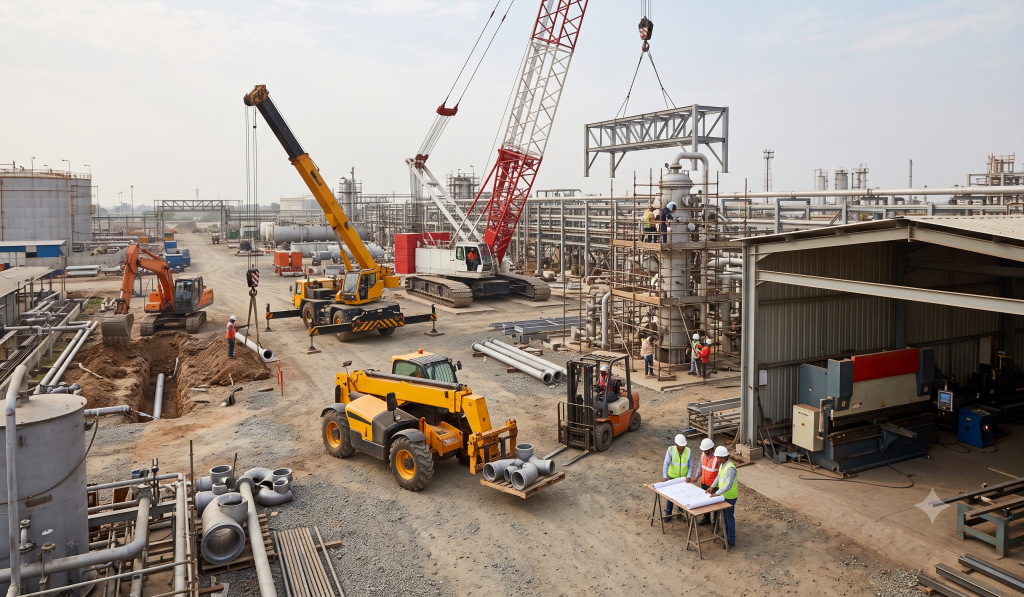
Choosing the correct capacity requires evaluating the maximum load weight against the required lifting radius and boom length. You must also account for load dimensions, wind conditions, and the crane’s specific configuration.
Warning: Never select a crane based only on its advertised maximum lifting capacity. Actual capacity drops significantly as the working radius extends. Always consult the manufacturer’s load charts for your specific lift parameters.
What Factors Affect Crane Rental Cost in India?
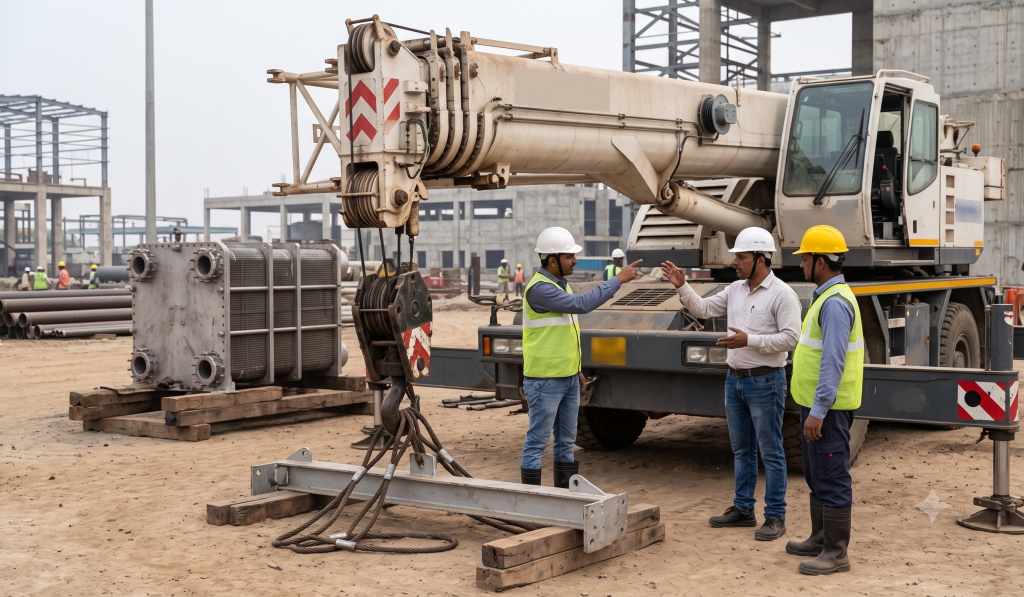
There is no single fixed crane rental price. Costs depend on the crane type, capacity, and total rental duration. Project location, transportation, mobilization, and setup requirements significantly impact the final invoice. Additionally, operator charges, working shifts, and fuel arrangements dictate daily operational costs. Always compare quotations based on the total scope of inclusions rather than simply choosing the lowest quoted base price.
What Safety Checks Should You Make Before Crane Rental?
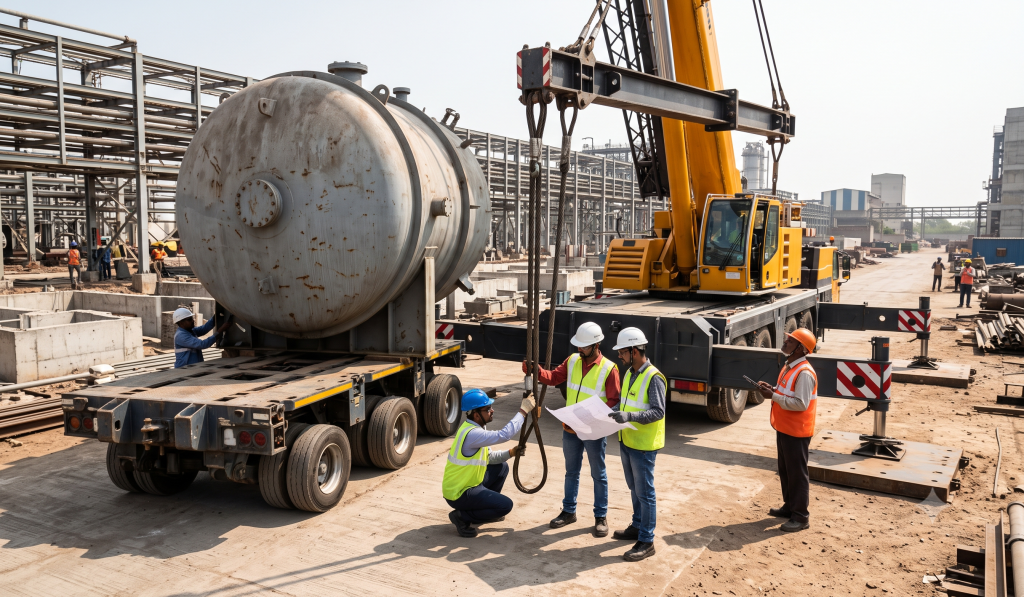
- Verify crane inspection records and maintenance history
- Review load charts and safety devices
- Inspect lifting accessories and rigging arrangements
- Confirm operator qualifications
- Assess ground conditions and crane setup areas
- Monitor weather and wind conditions
- Review the specific lifting plan and site safety requirements
Crane lifting must always be planned and supervised by appropriately qualified personnel according to applicable safety regulations.
Is a Crane Operator Included in the Rental Service?
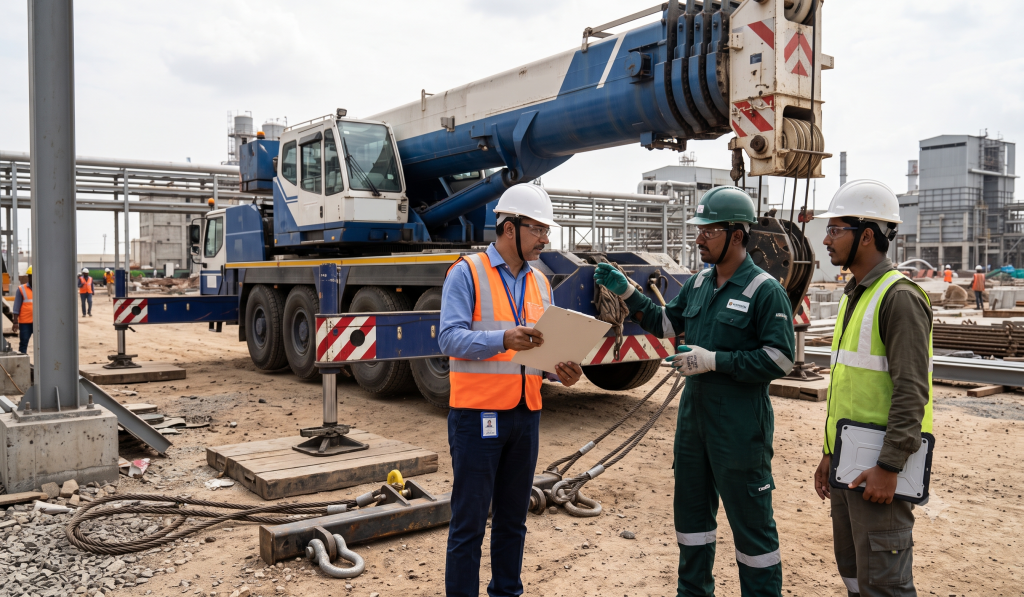
Rental terms differ by provider. You can opt for a bare rental (crane only) or a comprehensive package that includes the crane and a certified operator. If an operator is included, confirm their designated working hours, overtime arrangements, and specific site responsibilities in writing before signing the agreement.
How to Select a Reliable Crane Rental Company in India?
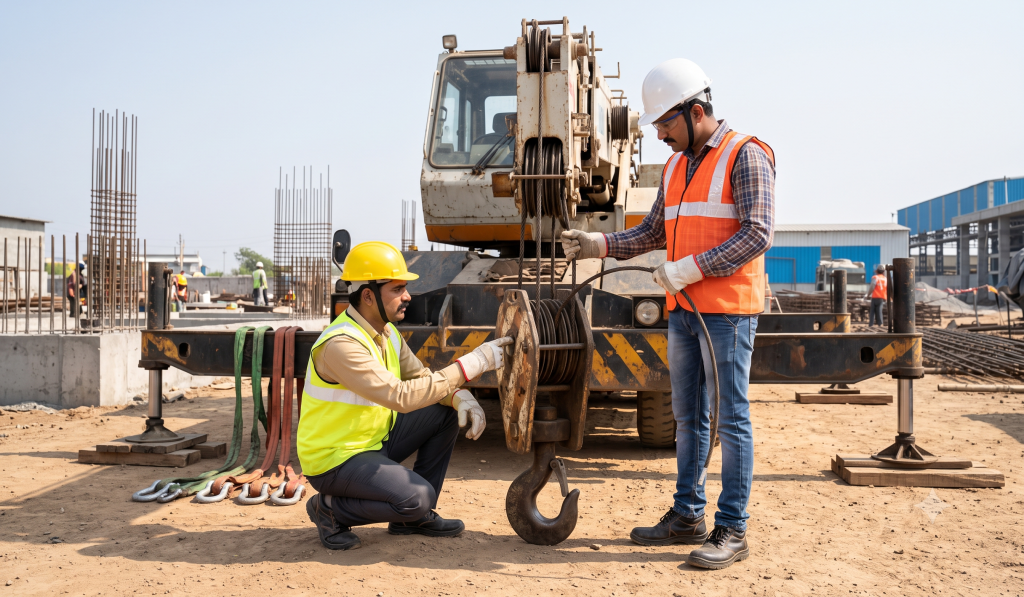
To evaluate a provider’s suitability, check their:
- Crane fleet variety and equipment availability
- Equipment condition and maintenance practices
- Relevant industrial project experience
- Operator availability and safety procedures
- Transparent pricing and clear rental terms
- Mobilization capability and technical support responsiveness
Mandal Group – Crane Rental Services for Industrial & Construction Projects
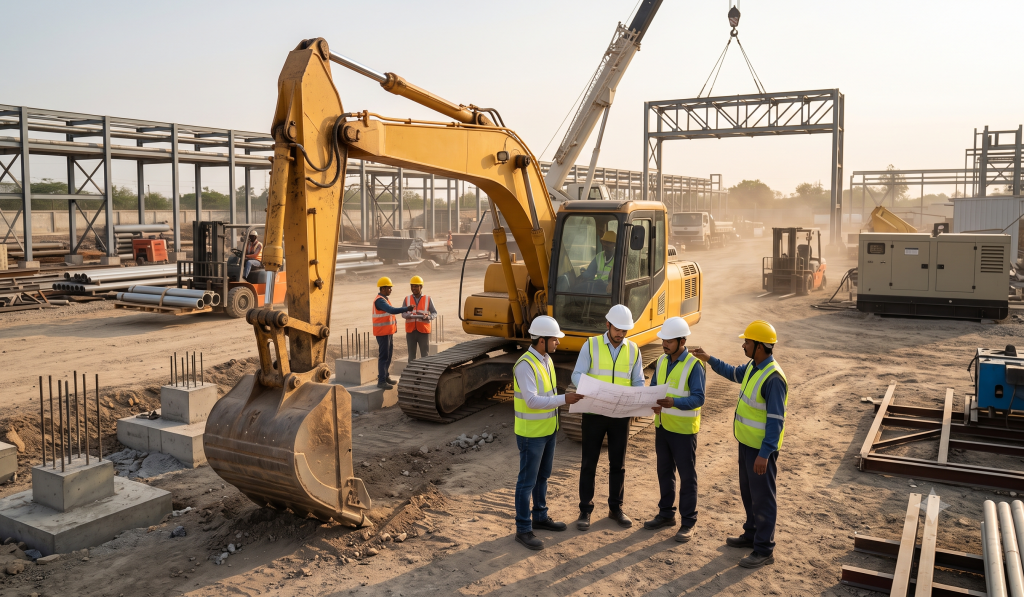
At Mandal Group, ( Mandals Crane Services Pvt Ltd ) we support heavy engineering and construction projects with professional crane rental services. Our fleet includes mobile and tower cranes suited for diverse industrial lifting requirements.
We focus on providing well-maintained equipment backed by the necessary technical support to ensure safe and efficient operations on your site. Whether you are executing a short-term plant maintenance shutdown or a long-term structural erection project, we prioritize equipment suitability and transparent rental terms. Contact Mandal Group today to discuss your industrial lifting requirements and project schedule.
Frequently Asked Questions About Crane Rental Services
- What are crane rental services in India?Crane rental services provide businesses with temporary access to heavy lifting machinery, such as mobile or tower cranes, for construction and industrial projects. These services can include just the equipment or a full package with a trained operator and technical support.
- How much does crane rental cost in India?
Crane rental costs vary based on the crane’s type, lifting capacity, and the total rental duration. Additional factors include mobilization charges, location, operator fees, fuel arrangements, and specific site setup requirements. - Which crane is suitable for heavy lifting?Crawler cranes and high-capacity all-terrain mobile cranes are generally best suited for heavy lifting. The exact choice depends on the load weight, lifting radius, ground stability, and whether the crane needs to move across the site with the load.
- What is the difference between a tower crane and a mobile crane?
A tower crane is fixed to a concrete foundation and is used for high-rise or long-term construction within a defined radius. A mobile crane is mounted on wheels or tracks, offering rapid deployment and flexibility to move across different work areas. - Is a crane operator included in rental services?
This depends on the rental agreement. Providers offer bare rentals (equipment only) or operated rentals, which include a trained crane operator. Always confirm operator working hours and responsibilities in the contract. - How do I choose the right crane capacity?
Choose crane capacity by evaluating the exact load weight, the required lifting height, and the maximum working radius. You must consult the manufacturer’s load chart, as a crane’s actual lifting capacity decreases as the boom extends outward. - What safety checks should be done before renting a crane?
Before renting, verify the crane’s maintenance and inspection records. Ensure safety devices are functional, check operator qualifications, and confirm that your site’s ground conditions can safely support the crane’s outriggers and loaded weight.
