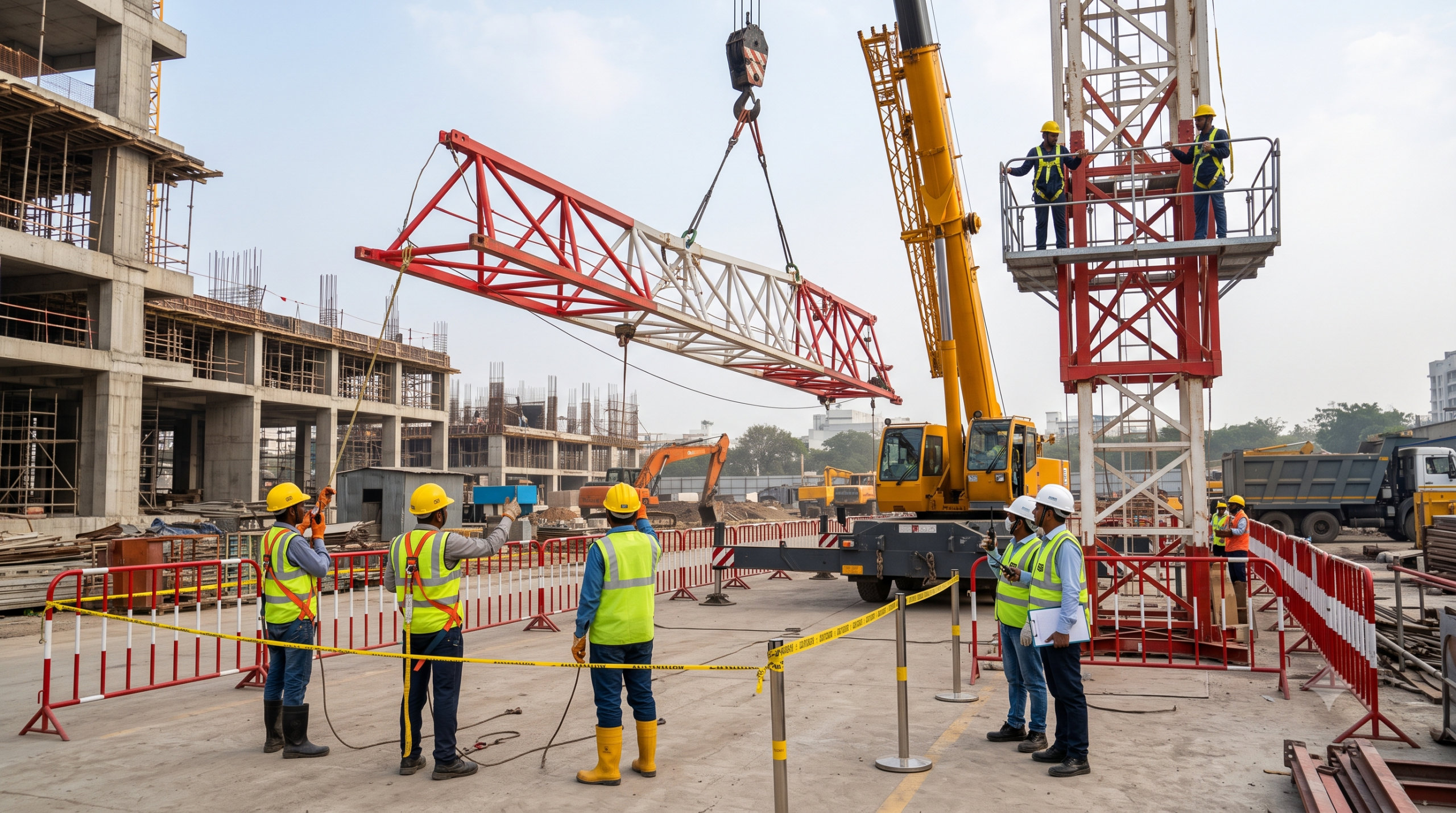
Crane erection is a highly specialized engineering process involving the assembly, lifting, and securing of a crane on a construction site. Proper setup planning is critical to ensure structural stability and site safety. Whether you are executing an industrial build, high-rise, or metro project, understanding tower crane installation procedures, cost factors, and strict safety requirements is essential for EPC contractors and project managers preparing for heavy lifting operations.
What Is Crane Erection?
Crane erection is the planned assembly, installation, and preparation of a crane at a project site so it can operate safely and correctly. Unlike simply operating a mobile crane, tower crane erection involves transporting heavy, disassembled components, staging them, and building the crane vertically. This requires exact coordination, rigorous stability checks, and professional engineering oversight to ensure the massive structure can safely bear dynamic loads.
How Does Tower Crane Installation Work?
Installing a tower crane requires a precise sequence to guarantee safety and alignment.
Site & Foundation Preparation
Suitable ground conditions and site readiness are non-negotiable. The foundation—usually a massive concrete pad with embedded anchor bolts—must be fully cured and engineered to support the crane’s maximum operational load.
Component Assembly
Major components like the mast sections, slewing ring, and jib are staged on the ground. Technical teams prepare these parts, checking pins, bolts, and mechanical connections before lifting begins.
Lifting & Installation
A mobile assist crane is utilized to hoist the heavy tower components into place. The base mast is bolted to the foundation, setting the plumbness for the entire structure.
Tower & Jib Assembly
With the base secure, subsequent mast sections, the slewing unit, the operator’s cab, and finally the working jib and counter-jib are lifted and pinned into position by the rigging team.
Alignment & Final Checks
Once assembled, engineers verify structural alignment, torque all connections, and calibrate load sensors. These rigorous inspections are mandatory before the crane is certified for operation.
What Is Required for Proper Crane Erection?
Before tower crane setup begins, project managers must verify several core planning requirements:
- Site assessment and ground bearing capacity confirmation
- Approved erection planning and structural lift plans
- Suitable assist lifting equipment (mobile cranes)
- Skilled technical personnel, including certified riggers and fitters
- Adequate access and working space for transport trucks
- Safety planning and favorable weather conditions
What Factors Affect Tower Crane Installation Cost?
There is no fixed price for crane setup. The total tower crane installation cost is heavily influenced by project-specific requirements, including:
- Crane Type and Size: Larger capacity cranes require heavier, more expensive assist cranes for assembly.
- Tower Height: Taller cranes demand more mast sections and longer erection durations.
- Site Accessibility: Tight urban spaces may restrict transport logistics, increasing costs.
- Foundation Requirements: Complex geotechnical conditions can increase foundation preparation expenses.
- Labour and Equipment: The need for specialized riggers and high-capacity mobile cranes impacts the final quotation.
Crane Erection Safety Requirements.
Crane erection safety demands rigorous oversight to prevent catastrophic failures. Key protocols include developing comprehensive pre-erection lift plans and deploying competent, trained personnel equipped with proper PPE. Sites must establish strict exclusion zones to protect ground workers. Working-at-height precautions, including mandatory harnesses, are critical during jib assembly. Additionally, operations must pause during high winds, and all load-bearing connections must undergo strict inspection before the crane is commissioned.
Where Is Tower Crane Erection Commonly Used?
Tower crane installation is essential for large-scale projects requiring extended reach and heavy lifting capacity. Common applications include high-rise construction, metro networks, industrial plant developments, and large commercial buildings where mobile cranes cannot provide the necessary height or footprint efficiency.
Why Choose Mandal Group for Crane Erection Services?
Selecting the right contractor ensures a safe and compliant setup. When evaluating providers, procurement teams should assess relevant industrial experience. At Mandal Group, we provide the necessary technical manpower, advanced equipment capability, and documented safety procedures. We handle project planning, site coordination, and quality inspections seamlessly for our clients across the heavy engineering sector.
Want to see our heavy lifting and engineering teams in action? Follow @mandalgroups on Instagram for live site updates and industrial project showcases across India.
Need expert support for your next heavy lifting project? Contact Mandal Group today to discuss your crane erection requirements and ensure a safe, fully compliant installation.
Frequently Asked Questions
- What is crane erection?
Crane erection is the planned assembly, installation, and preparation of a crane at a project site so it can operate safely and correctly. It involves lifting, bolting, and configuring prefabricated components into a stable structural unit. - How is a tower crane installed?
A tower crane is installed by securing a base mast to an engineered concrete foundation. A mobile assist crane then sequentially lifts the remaining mast sections, slewing unit, cab, jib, and counter-jib into place for final connection. - What factors affect crane erection cost?
Crane erection cost is affected by the crane’s size, maximum height, site accessibility, foundation engineering requirements, and the capacity of the mobile assist crane needed to execute the assembly. - What safety measures are required during crane erection?
Critical safety measures include securing exclusion zones, enforcing working-at-height fall protection, utilizing certified lifting equipment, continuous weather monitoring, and conducting rigorous inspections of all pinned and bolted connections. - How long does tower crane installation take?
The installation duration is entirely project-dependent. While a standard free-standing tower crane might take one to three days to assemble, complex configurations in restricted urban sites can require significantly more time for planning and execution. - Discuss Your Project Requirements
Are you planning a heavy lifting operation? Contact a qualified service provider today to discuss your site specifications, request an accurate quotation, and ensure your next crane erection project is executed safely and efficiently.
